Physical Address
304 North Cardinal St.
Dorchester Center, MA 02124
Physical Address
304 North Cardinal St.
Dorchester Center, MA 02124

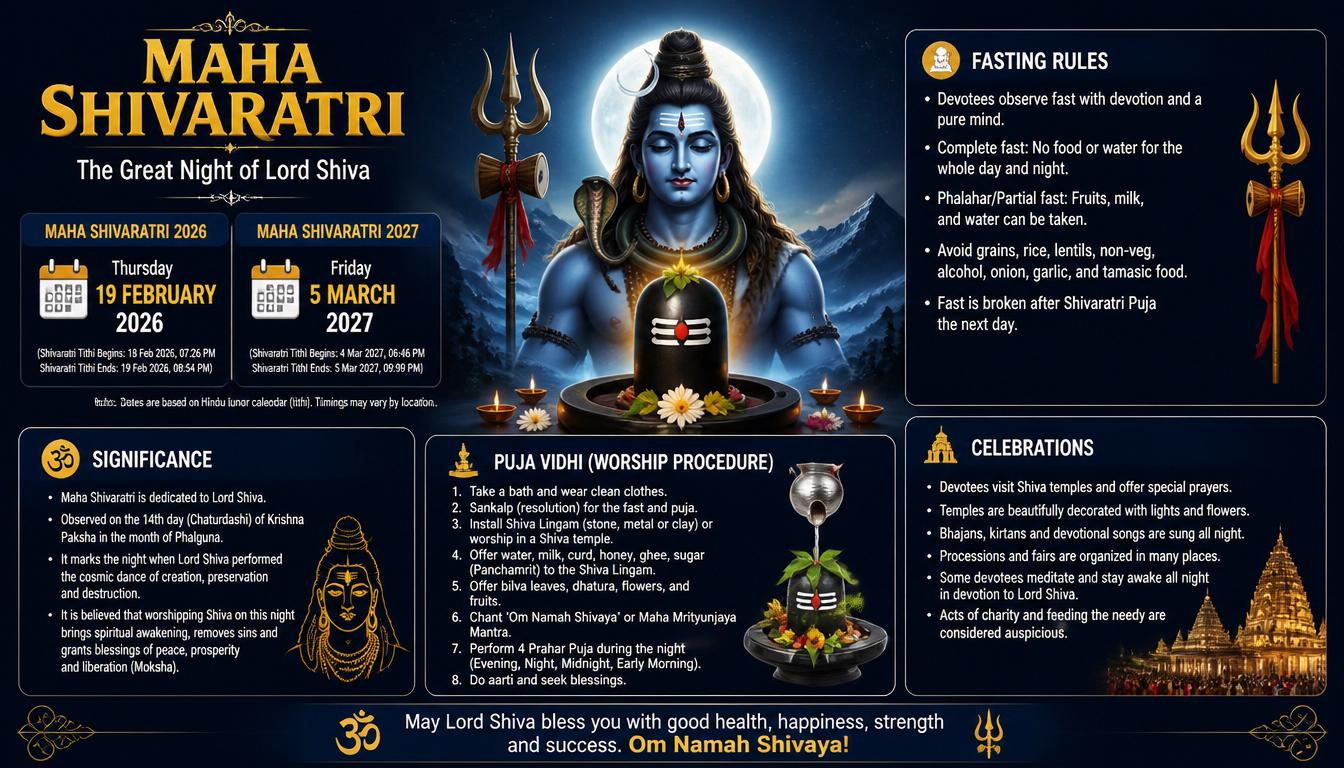
Maha Shivaratri is one of the most sacred Hindu festivals dedicated to Lord Shiva, the supreme symbol of consciousness, meditation, and transformation.
The festival is observed with fasting, Shiva Puja, Abhishekam, mantra chanting, and night-long Jaagran by millions of devotees across India and around the world.
The Maha Shivaratri 2026 and 2027: Date, Fasting Rules, Puja Vidhi, Significance, and Celebrations guide explains everything devotees need to know, including the correct festival dates, spiritual meaning,
fasting rules, Puja Vidhi at home, important mantras, temple celebrations, and the deeper message behind this powerful night of devotion.
Unlike many Hindu festivals celebrated during the daytime, Maha Shivaratri is mainly observed at night, because this period is believed to support meditation, awareness, and spiritual growth.
The word Maha Shivaratri means “The Great Night of Lord Shiva,” representing the victory of light, wisdom, and consciousness over darkness and ignorance.
Maha Shivaratri is observed on Krishna Paksha Chaturdashi in the Hindu month of Phalguna. Since Hindu festivals follow the lunar calendar, the date changes every year.
| Year | Date | Day | Festival |
|---|---|---|---|
| 2026 | 15 February 2026 | Sunday | Maha Shivaratri |
| 2027 | 6 March 2027 | Saturday | Maha Shivaratri |
In 2026, Maha Shivaratri will be celebrated on Sunday, 15 February, while in 2027, it will fall on Saturday, 6 March.
Devotees observe fasting throughout the day and perform the main Shiva Puja during Nishita Kaal, the midnight period considered highly auspicious for worship.
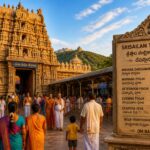
The festival is celebrated throughout India, with large gatherings at famous Shiva temples, including Jyotirlinga temples where devotees participate in special prayers, Abhishekam ceremonies, and spiritual programs.
Maha Shivaratri means “The Great Night of Lord Shiva.” It is a sacred occasion that encourages devotees to overcome negative thoughts, practice self-control, and connect with their inner consciousness.
The festival holds deep spiritual importance because it represents the union of Lord Shiva and Goddess Parvati, symbolizing the balance between consciousness and divine energy.
According to another popular belief, this night is associated with Lord Shiva’s Tandava dance, which represents creation, preservation, and transformation of the universe.
Maha Shivaratri is considered a powerful time for:
The spiritual message of Maha Shivaratri is not only about rituals. It reminds people to control desires, remove negativity, and develop peace within themselves.
Many devotees believe that the night energy of Maha Shivaratri supports deeper meditation because the mind becomes calmer through fasting, prayer, and silence.
Maha Shivaratri fasting is observed to purify the body, calm the mind, and increase devotion toward Lord Shiva. The vrat is considered a spiritual practice rather than only a religious restriction.
Devotees avoid heavy food and worldly distractions so they can spend more time in prayer, meditation, and chanting. However, fasting rules are not identical for everyone. They depend on a person’s health, age, and personal faith.
The main purpose of the Shivaratri vrat is sincerity and discipline. A person who cannot observe a strict fast can still participate through prayers, meditation, and simple devotional practices.
Different devotees follow different fasting methods according to tradition and physical ability.
| Fasting Type | Meaning |
|---|---|
| Nirjala Fast | Complete fasting without food and water |
| Phalahar Fast | Eating fruits, milk, and water only |
| Milk Fast | Consuming milk and water during the day |
| Single Meal Fast | One simple satvik meal after evening worship |
The fast is usually completed the next morning after Shiva Puja, Abhishekam, and Parana rituals.
Children, elderly people, pregnant women, and individuals with health concerns should follow fasting according to their capacity. Spiritual devotion is considered more important than physical hardship.
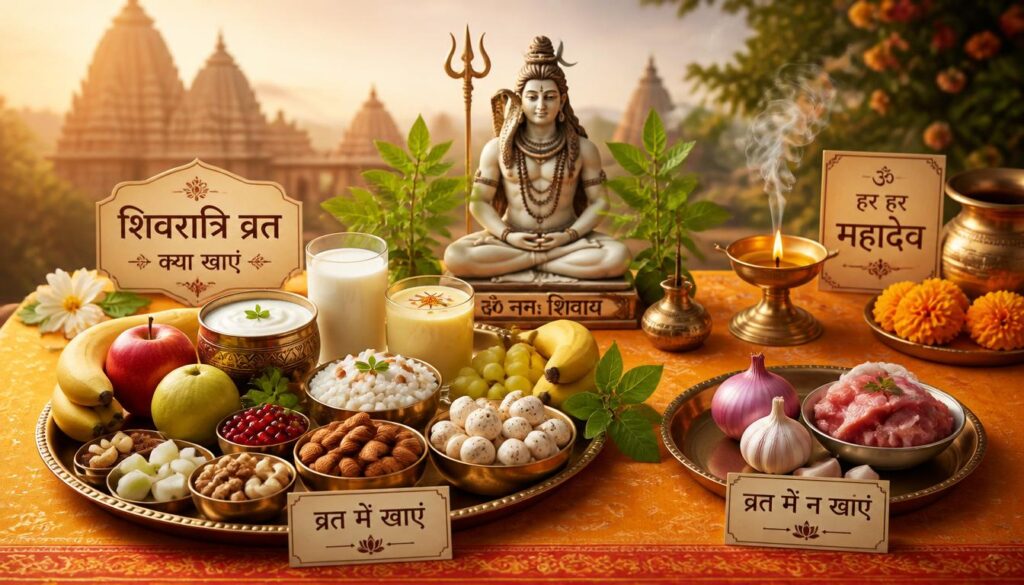
Food during Maha Shivaratri vrat is generally satvik, meaning pure, simple, and suitable for maintaining spiritual focus.
The purpose of these dietary restrictions is to keep the body light and the mind focused during prayers and meditation.
Maha Shivaratri Puja at home can be performed with simple devotion and traditional offerings. The main focus is worshipping the Shiva Lingam through Abhishekam, prayers, and mantra chanting.
A simple home Puja Vidhi includes:
Important Puja items and their meanings include:
| Puja Item | Spiritual Meaning |
|---|---|
| Water and milk | Purity and devotion |
| Bel Patra | Sacred offering to Lord Shiva |
| Honey and curd | Balance and harmony |
| Rudraksha | Spiritual protection |
| Bhasma | Detachment from ego |
Even a simple prayer performed with genuine devotion is believed to bring spiritual benefits.
Nishita Kaal is the midnight period considered the most powerful time for Maha Shivaratri worship.
According to Hindu traditions, devotees perform the main Puja during this period because the night is believed to be spiritually charged. Many temples organize special midnight rituals where priests perform Abhishekam and chant Vedic mantras.
Devotees who cannot perform midnight worship can still offer prayers according to their convenience. The intention behind the worship remains the most important aspect.
Jaagran means staying awake throughout the night in devotion to Lord Shiva. It represents awareness, discipline, and control over the mind.
Many devotees perform four Prahar Puja, dividing the night into four worship periods. Each Prahar includes different offerings, prayers, and mantra chanting.
During the night vigil, devotees often participate in:
The practice of staying awake is symbolic. It represents awakening from ignorance and becoming more conscious in life.
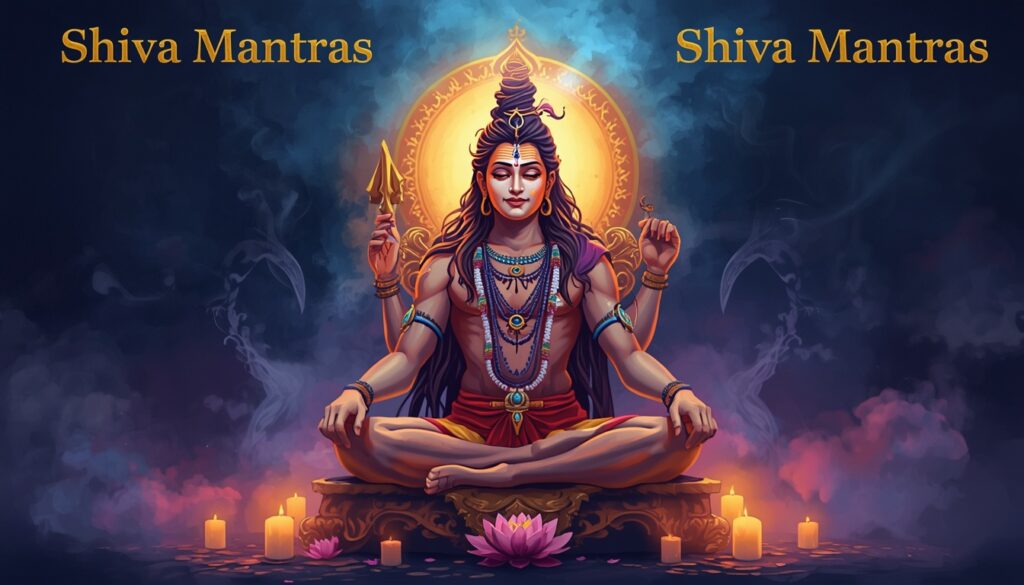
Mantra chanting is an important part of Maha Shivaratri spiritual practice. Devotees believe sacred sounds help calm the mind and strengthen concentration.
Some widely respected Shiva mantras include:
This is the most popular Shiva mantra. It represents surrender, devotion, and inner peace.
This mantra is associated with healing, protection, and freedom from fear.
A devotional hymn that praises the five sacred syllables of Lord Shiva.
A mantra associated with wisdom, strength, and spiritual development.
Many devotees chant these mantras using a Rudraksha mala to maintain focus during meditation.
Maha Shivaratri celebrations in India reflect different regional traditions while maintaining devotion toward Lord Shiva.
Devotees visit major Shiva temples, participate in night-long prayers, and join bhajans and meditation programs.
Temples organize grand Abhishekam rituals with milk, water, honey, curd, and sacred ash. Vedic chants create a deeply spiritual atmosphere.
Many devotees observe strict fasting and visit Shiva temples for special prayers and rituals.
Devotees often travel to ancient Shiva shrines despite challenging weather conditions, showing their deep faith.
Several sacred Shiva temples become major centers of celebration during this festival.
Popular destinations include:
These temples attract thousands of devotees for special Darshan, Abhishekam, and night-long worship.
The importance of Maha Shivaratri is connected with several ancient stories from Hindu traditions.
One popular belief says Maha Shivaratri celebrates the divine marriage of Lord Shiva and Goddess Parvati. Their union represents harmony between consciousness and energy.
Another tradition connects this night with Shiva’s Tandava dance, representing the continuous cycle of creation and transformation.
According to Hindu mythology, Lord Shiva consumed the deadly poison that emerged during the churning of the ocean, saving the universe and becoming known as Neelkanth.
These stories highlight Shiva’s qualities of compassion, strength, and universal protection.
In today’s busy lifestyle, Maha Shivaratri provides an opportunity for people to slow down and reconnect with themselves.
Many people observe the festival as a time for:
Modern temples and spiritual communities also organize online prayers, meditation programs, and live-streamed rituals, allowing devotees worldwide to participate.
The true essence of Maha Shivaratri is devotion, self-control, and inner transformation.
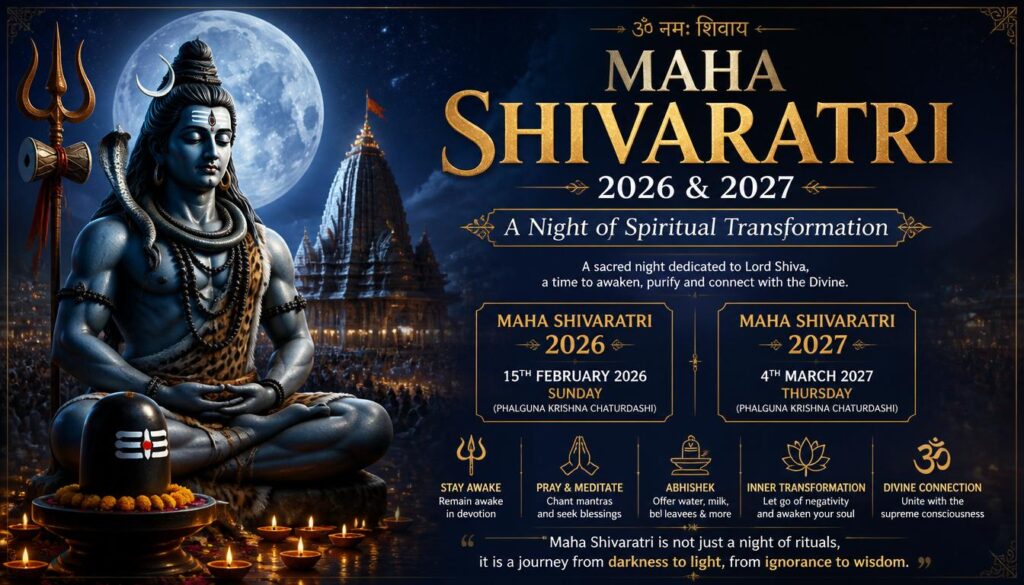
Maha Shivaratri is more than a festival; it is a reminder to develop awareness, compassion, and balance in life.
Whether someone observes a strict fast, performs a simple Shiva Lingam Abhishekam, chants Om Namah Shivaya, or spends time in meditation, sincere devotion remains the heart of this sacred occasion.
The Great Night of Lord Shiva teaches that spiritual growth begins with discipline, self-awareness, and the willingness to overcome inner darkness.
Maha Shivaratri will be celebrated on Sunday, 15 February 2026. Devotees will observe fasting, perform Shiva Puja, and participate in night-long worship. The main Puja is traditionally performed during Nishita Kaal, the midnight period considered highly auspicious for Lord Shiva’s worship.
Maha Shivaratri will fall on Saturday, 6 March 2027. The festival will be observed according to the Hindu lunar calendar on Krishna Paksha Chaturdashi. Devotees will follow fasting, mantra chanting, Abhishekam, and other traditional rituals.
No, fasting is not compulsory for everyone. Maha Shivaratri fasting depends on personal health, age, and belief. Devotion, meditation, prayers, and sincere worship are considered more important than following strict fasting rules.
Om Namah Shivaya is the most widely chanted mantra dedicated to Lord Shiva. Many devotees also recite the Maha Mrityunjaya Mantra for protection, peace, and spiritual strength during Maha Shivaratri worship