Physical Address
304 North Cardinal St.
Dorchester Center, MA 02124
Physical Address
304 North Cardinal St.
Dorchester Center, MA 02124

A visit to a temple can be a very simple thing on paper, but when you actually stand before the deity, hear the bells and see the glow of the lamp, the feeling becomes something else.
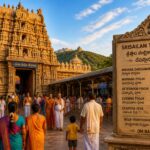
Peddamma Temple in Jubilee Hills, Hyderabad, is one such sacred place where devotees come to offer prayers to Goddess Peddamma and spend a few peaceful moments away from the rush of everyday life. The temple is located on Road No. 55 in Jubilee Hills and is a well-known religious destination in Hyderabad.
For many devotees, the Peddamma Temple Aarti is an especially meaningful part of the temple visit. The sound of chants, the movement of the sacred flame and the gathering of devotees create a deeply devotional atmosphere. If you are planning a visit, knowing the Peddamma Temple Aarti timings, possible ticket requirements, booking options and basic temple etiquette can make the experience much smoother.
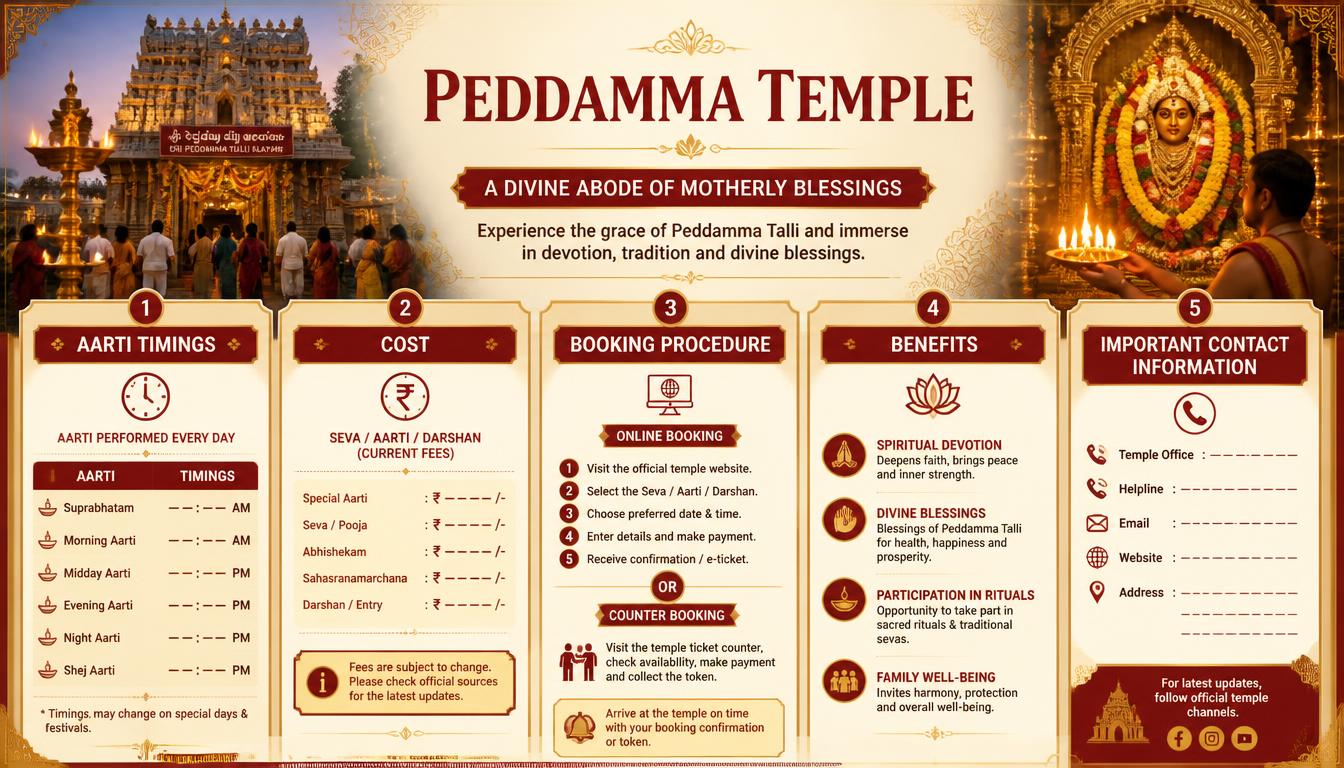
The exact Aarti timings at Peddamma Temple can vary according to the daily religious schedule, special pujas and festival arrangements. Some temple information sources list morning Aarti around 7:00 AM and evening Aarti around 7:00 PM, while another visitor source states that morning puja and Aarti begin around 6:30 AM. Because these schedules are not consistently reported across sources, devotees should confirm the day’s timing with the temple before travelling.
The commonly listed Peddamma Temple timings for darshan are 6:00 AM to 1:00 PM and 3:00 PM to 8:00 PM from Monday to Saturday. Several sources list longer Sunday hours, with one current guide giving 6:00 AM to 8:30 PM.
If your main purpose is to attend the morning Aarti, reaching the temple at least 15–20 minutes early is sensible. It gives you enough time to enter, understand where devotees are gathering and settle down before the Aarti ceremony begins.
The morning Aarti is generally associated with the early devotional activities of the temple. The atmosphere can feel quieter at this time, although the number of devotees may increase on important religious days.
The evening Aarti offers a different kind of atmosphere. As the day winds down, the temple becomes a gathering point for devotees seeking spiritual peace, prayer and divine blessings. If you prefer an after-work temple visit, the evening period may fit more naturally into your schedule.
Keep in mind that an Aarti is part of a broader Hindu religious ritual and may be connected with other forms of puja, offerings and chanting. So the exact sequence and timing should be treated as a temple schedule rather than a fixed universal timetable.
Aarti is a traditional ritual of worship in which a lighted lamp is offered before the deity as part of devotional worship. Depending on the tradition, the lamp may use ghee, wicks or other materials, and camphor may also be used during worship.
At Peddamma Temple, devotees gather before Goddess Peddamma and participate respectfully in the sacred ceremony. The ringing of bells, devotional chants and the sight of the flame moving before the deity can make the moment feel very personal, even when many people are standing together.
For some devotees, the most memorable part is not the length of the ceremony but those few quiet seconds when everyone focuses on the divine presence. It is one of those experiences where a busy mind can become surprisingly still.
The question of Peddamma Temple Aarti ticket cost is important for anyone planning the visit, but current publicly available sources do not provide a consistently verified official price specifically for an Aarti ticket.
Some online temple guides mention charges for particular pujas or services, but these should not automatically be treated as the Aarti ticket price. Special occasions and festival days can also have different arrangements.
Therefore, if you see a figure such as ₹50 described online, check whether it refers specifically to Aarti, another puja, Archana, Abhishekam or a different temple service. Temple charges can change, and mixing these services together can create confusion.
Not every temple visit requires a separate paid ticket for simply entering and having darshan. A paid ticket may apply to a particular seva, special puja or other service rather than ordinary temple entry.
For this reason, devotees should distinguish between a general temple visit, a Peddamma Temple ticket, and a specific Aarti ticket. The temple’s own counter is the most practical place to confirm what is currently required.
If a special ceremony is being conducted because of a festival or special occasion, arrangements may also differ from a normal day. Crowds can become much larger, and some services may have separate procedures.
The Peddamma Temple Aarti booking procedure depends on whether the temple is currently offering advance booking for that particular service. Online information about dedicated Peddamma Temple online booking is not consistent enough to present one fixed procedure as universally available.
If online booking is officially offered, the usual process would involve visiting the verified temple booking page, selecting the relevant service, choosing the available date or slot, entering the requested details and completing payment where applicable.
After successful payment, devotees should save the booking confirmation, reference number or digital ticket. A screenshot can also be useful, particularly when travelling and internet connectivity is not reliable.
However, do not enter payment details on an unofficial page simply because it contains the temple’s name. For a religious service, checking the source before making an online ticket booking is a small step that can prevent a very annoying problem later.
The availability of Aarti online booking should be confirmed before assuming that a particular website is an official booking platform. Public temple listings currently provide information about the temple and its rituals, but they do not establish a consistently available official online Aarti reservation system.
If online reservation is unavailable for your chosen date, the temple ticket counter may be the appropriate place to ask about tickets or seva participation. Take cash as a backup if you are unsure about available payment methods, because it is better to have a simple backup than to discover the payment arrangement after reaching the temple.
The exact ritual sequence can vary, but an Aarti ceremony generally involves devotional worship before the deity. A lamp is offered while prayers or chants are recited, and devotees participate with reverence.
The atmosphere is often more collective than an individual prayer. Dozens of people may stand together, yet everyone can be carrying a completely different thought — a family concern, gratitude for something good, a personal wish or simply the desire for a few peaceful minutes.
After the worship, devotees may receive prasad, depending on the temple’s arrangements for that particular service. Prasad is treated as a sacred offering, so it should be received respectfully.
People attend Aarti for religious and personal reasons, and the benefits of attending Aarti are often understood through faith rather than measurable material outcomes.
Devotees may describe the experience as bringing spiritual peace, hope and a stronger sense of connection with their faith. For someone who has been dealing with a stressful week, even a short period of prayer can feel emotionally calming.
Another meaningful aspect is collective worship. Standing among other devotees can create a sense of community, reminding visitors that religious traditions are often shared experiences rather than private moments only.
For devotees, praying before Goddess Peddamma can be an opportunity to seek divine blessings, express gratitude and ask for guidance.
Beliefs about prosperity, protection and well-being are personal and religious in nature. They should be understood as matters of faith rather than guaranteed outcomes.
The chants, bells and structured rhythm of a temple ceremony can help some people pause from their normal routine. That feeling of quiet attention is one reason religious ceremonies continue to hold meaning for many families.
Whether someone calls it positive energy, devotion or simply a peaceful break, the experience can become a memorable part of a temple visit.
Aarti also creates a shared moment among devotees. Families, older visitors, young people and travellers may all stand together during the same worship ceremony.
That simple togetherness is sometimes the part people remember longest. You arrive as one visitor, but for a few minutes you become part of a larger gathering.
Visitors should choose modest attire and dress respectfully when entering the temple. Traditional clothing can be appropriate, although the important point is to respect the religious character of the place.
A simple kurta, traditional outfit or other modest clothing can make the visit comfortable without overthinking it. Avoid treating the temple like an ordinary sightseeing stop, especially during an ongoing sacred ritual.
Basic temple etiquette also matters. Keep your voice low, follow instructions from temple staff, avoid blocking pathways and maintain respect around the deity and other devotees.
If photography is restricted in a particular area, follow the rule. Religious spaces have their own boundaries, and respecting them is part of being a considerate visitor.
The best time depends on what you want from your temple visit. If your priority is Aarti, plan around the confirmed daily Aarti schedule rather than simply arriving during general darshan hours.
Tuesdays and Fridays are traditionally significant visiting days for the temple, and festival periods can attract considerably larger crowds. The temple is also particularly associated with the Bonalu festival, which brings a strong devotional atmosphere to the area.
If you prefer a less crowded experience, a regular day outside major festival periods may be more comfortable. Still, crowd levels can change, so a little flexibility is useful.
Peddamma Temple has a strong connection with local devotional traditions, especially Bonalu, celebrated in Hyderabad and Telangana. The temple also hosts other religious celebrations and special rituals during the year.
During a major festival or special event, the ordinary schedule may not tell the whole story. Additional pujas, larger gatherings and altered entry arrangements can affect the experience.
This is why checking the latest schedule before travelling is particularly important during festival days. A five-minute confirmation can save you from reaching the temple expecting one ceremony and finding an entirely different arrangement.
Before visiting Peddamma Temple, keep your plans flexible enough to account for crowds and possible schedule changes. Temple timings published online can occasionally differ, particularly around festivals and special ceremonies.
If you want to attend a particular Aarti, confirm its Aarti time on the day whenever possible. This is more reliable than depending entirely on an old social-media post or an outdated article.
Arrive early, dress respectfully and keep your phone on silent during worship. If you receive prasad, accept it respectfully and avoid creating unnecessary disturbance around the distribution area.
Most importantly, don’t rush through the visit. A temple is not a place where you need to tick every box in ten minutes. Sometimes sitting quietly for a moment is the whole point.
Before entering, decide what you genuinely want from the visit. It could be a simple prayer for your family, gratitude for something that recently went well or a quiet moment to clear your thoughts.
During the Peddamma Temple Aarti, try to remain present rather than constantly checking your phone or worrying about the next destination. The ceremony itself is short compared with the journey many people make to reach the temple.
If you are visiting with children, explain basic temple etiquette before entering. A small explanation about keeping quiet, standing respectfully and receiving prasad can make the experience easier for everyone.
Online temple guides commonly list morning Aarti around 7:00 AM and evening Aarti around 7:00 PM, while another source places morning puja and Aarti from around 6:30 AM. Confirm the current daily schedule before visiting.
A consistently verified current Aarti ticket cost is not available from the reliable sources reviewed. Check the temple counter or current official information for the applicable charge.
A dedicated, consistently verified Peddamma Temple online booking system for Aarti could not be confirmed from the sources reviewed. Ask the temple directly about current online or on-site booking arrangements.
Wear clean, modest and respectful clothing. Traditional attire is a suitable choice, especially when attending a special religious ceremony.
Devotees commonly attend Aarti to seek divine blessings, prayer, gratitude and spiritual peace. These benefits are matters of religious belief and personal experience rather than guaranteed results.
The current Aarti schedule can change, particularly during festivals or special events. Confirm the timing with the temple before travelling instead of relying on an old schedule.
The morning Aarti is part of the temple’s early devotional schedule. Some published sources list it around 7:00 AM, while another lists morning puja and Aarti from about 6:30 AM.
read more: https://templetimingsdaily.com/peddamma-temple-aarti-timings/
The evening Aarti is generally associated with the evening worship period, with one temple guide listing it at approximately 7:00 PM. Confirm the day’s schedule before visiting.
Visitor information sources report that prasad is available, although the exact distribution arrangements can depend on the day’s temple activities.
Peddamma Thalli Temple is generally open for devotees throughout the day, with specific timings for darshan and daily rituals. It is best to check the latest temple schedule before visiting.
Jubilee Hills Peddamma Temple in Hyderabad follows daily visiting hours for devotees. Aarti and special pooja timings may differ from regular darshan hours.
The beauty of Peddamma Temple Aarti is not only in the lamp, chants or ceremony itself. It is also in the reason each devotee comes forward. One person may come with gratitude, another with a prayer for family, while someone else simply wants a peaceful moment in a sacred place.
Knowing the Peddamma Temple Aarti timings, ticket arrangements, possible Aarti booking procedure, dress expectations and temple etiquette can remove much of the practical uncertainty before your visit. At the same time, it is wise to verify timings and charges locally because schedules and special-event arrangements can change.
When the sacred flame rises and the temple falls into that familiar rhythm of prayer, the outside world can feel a little quieter for a moment. And sometimes, that small moment of peace is exactly what a devotee came looking for.