Physical Address
304 North Cardinal St.
Dorchester Center, MA 02124
Physical Address
304 North Cardinal St.
Dorchester Center, MA 02124

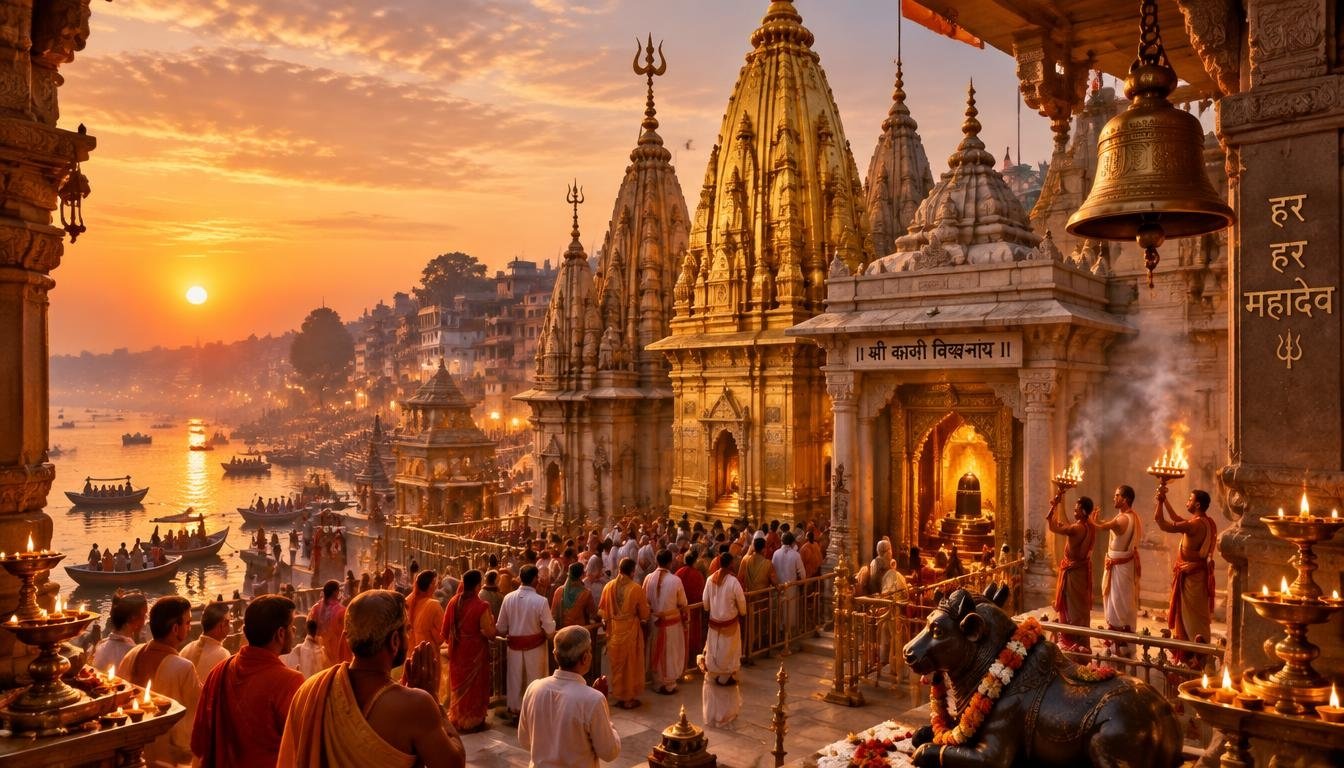
There are places in the world that we visit with our feet, and then there are places we visit with our hearts. Kashi Vishwanath Temple in Varanasi belongs to the second kind. It is not simply a temple where devotees arrive to offer prayers; it is a sacred destination where faith feels alive, ancient traditions find their voice, and the spiritual atmosphere leaves an impression that is difficult to describe in ordinary words.
Situated in the timeless city of Kashi, also known as Varanasi or Banaras, this magnificent shrine is dedicated to Lord Shiva, one of the principal deities of Hinduism. Thousands of devotees visit this holy place to seek divine blessings, experience inner peace, and offer their prayers to the sacred Kashi Vishwanath Jyotirlinga.
The moment you enter the spiritual surroundings of the temple, something changes. The sound of bells, the fragrance of incense, the voices chanting Om Namah Shivaya, and the sight of devotees waiting patiently for darshan create an atmosphere that feels both deeply personal and wonderfully universal.
Whether you are planning your first pilgrimage, researching the temple’s history, or simply curious about its religious importance, this guide will take you through the remarkable story, spiritual significance, rituals, timings, travel information, and experiences associated with this celebrated shrine.
bhaskar.com
The Kashi Vishwanath Temple Varanasi is among the most revered Hindu pilgrimage destinations in India. Located in the heart of Varanasi, Uttar Pradesh, the temple is dedicated to Shri Kashi Vishwanath, a form of Lord Shiva whose name translates to the Lord of the Universe.
The word Kashi itself carries a beautiful meaning. It is traditionally associated with light, brilliance, and spiritual illumination. For countless generations, people have believed that this ancient city offers a special connection with the divine.
The temple is particularly important because it houses one of the Twelve Jyotirlingas of Lord Shiva. These sacred shrines are considered highly significant in Hindu religious tradition, and devotees believe that visiting them brings spiritual merit and strengthens their connection with Shiva.
What makes this destination special is not only its religious identity. Its surrounding lanes, historic buildings, sacred ghats, traditional markets, and centuries-old customs all contribute to the distinctive character of Varanasi.
For many visitors, the pilgrimage becomes a journey of devotion, discovery, and personal reflection.
oldindianphotos.in
The Kashi Vishwanath Temple history is closely connected with the changing political and cultural landscape of India. Over several centuries, the shrine experienced destruction, rebuilding, renovation, and restoration, yet the devotion associated with it never disappeared.
The temple’s historical roots extend far into the past, although its earliest architectural phases are difficult to establish with complete certainty. Ancient Hindu traditions and religious literature have long celebrated Kashi as the eternal abode of Lord Shiva.
One of the most important chapters in the temple’s history came in 1780, when Maharani Ahilyabai Holkar of Indore arranged for the reconstruction of the present historic shrine.
Her contribution remains an important part of the temple’s identity. She is remembered for supporting religious institutions, restoring sacred places, and encouraging the development of pilgrimage destinations throughout India.
Her work at Kashi was not merely an architectural contribution. It represented a commitment to preserving a place that held immense emotional and religious value for Hindu devotees.
indiatoday.in
The temple is widely recognised for its beautiful golden domes and spires. The gold plating is traditionally associated with Maharaja Ranjit Singh, who donated gold for the temple in the nineteenth century.
This distinctive appearance earned the shrine the popular description of the Golden Temple of Varanasi.
The golden structure catches the sunlight in a remarkable way, creating a visual connection between the material beauty of the shrine and the spiritual symbolism of divine light.
The development of the Kashi Vishwanath Corridor has transformed the visitor experience around the temple. Inaugurated in December 2021, the project improved connectivity between the temple and the River Ganges, while creating more organised public spaces.
The corridor provides a more accessible route for pilgrims and connects the sacred shrine with the broader landscape of Varanasi.
It also represents an interesting meeting of old and new. The ancient religious character of Kashi continues, while the surrounding infrastructure has been adapted to accommodate growing numbers of visitors.
The religious importance of the shrine goes far beyond its physical structure. According to Hindu belief, Lord Shiva is the supreme consciousness that exists beyond time, form, and worldly limitations.
The Kashi Vishwanath Jyotirlinga represents this eternal divine presence. The word Jyotirlinga combines two Sanskrit concepts: Jyoti, meaning light, and Linga, representing the divine symbol of Shiva.
Together, they express the idea of an infinite source of spiritual energy.
There is a traditional belief that Kashi is a city that Lord Shiva never abandons. It is often described as his eternal abode, where devotees can seek freedom from the endless cycle of birth and death.
The concept of Moksha holds a particularly important place in Varanasi’s religious identity. Many Hindu traditions associate dying in Kashi with the possibility of spiritual liberation, although interpretations of this belief differ across religious schools.
For devotees, visiting the temple is therefore not just about completing a pilgrimage. It is about surrendering worries, expressing gratitude, and remembering something greater than everyday life.
The Twelve Jyotirlingas are twelve highly revered Shiva shrines spread across India. Kashi Vishwanath is one of them, making Varanasi an essential destination for many followers of Shaivism.
The other celebrated Jyotirlinga destinations include Somnath, Mallikarjuna, Mahakaleshwar, Omkareshwar, Kedarnath, Bhimashankar, Trimbakeshwar, Vaidyanath, Nageshwar, Rameshwaram, and Grishneshwar.
Many pilgrims dream of visiting all twelve sacred places during their lifetime. For them, the Kashi pilgrimage is often one of the most emotionally meaningful parts of that journey.
Planning your visit becomes much easier when you understand the temple’s daily schedule. The Kashi Vishwanath Temple timings are arranged around different worship activities, allowing devotees to experience the shrine at various times of the day.
The temple’s published schedules and special announcements may differ on festivals, Purnima, eclipses, and other religious occasions. Therefore, checking the latest information before travelling is always a sensible decision.
The temple generally operates from the early morning hours until approximately 11:00 PM. However, public darshan takes place in specific intervals because certain periods are reserved for rituals and worship.
The following is a practical overview of the commonly published daily schedule:
| Activity | Approximate timing |
|---|---|
| Temple opening | Around 3:00 AM |
| Mangala Aarti | 3:00 AM–4:00 AM |
| Morning darshan | 4:00 AM–11:00 AM |
| Midday Bhog Aarti | 11:15 AM–12:20 PM |
| Afternoon darshan | 12:20 PM–7:00 PM |
| Sapta Rishi Aarti | 7:00 PM–8:15 PM |
| Evening darshan | Around 8:15 PM–9:00 PM |
| Shringar/Bhog Aarti | 9:00 PM–10:15 PM |
| Shayana Aarti | 10:30 PM–11:00 PM |
These are indicative timings rather than a guarantee of entry at every listed minute. The temple administration can change the schedule according to religious requirements.
shrikashivishwanath.org
If you prefer a relatively calm experience, consider visiting during the morning or afternoon darshan periods on an ordinary weekday.
Early mornings have their own charm. The city is just beginning to wake up, the surrounding lanes are filled with devotees, and the sound of temple bells seems to travel through the narrow streets.
However, arriving early does not always mean avoiding queues. Weekends, holidays, Mondays, and religious festivals can attract large crowds.
A closer look at the daily worship traditions
The Kashi Vishwanath Temple aarti is among the most memorable experiences for devotees visiting Varanasi. It is a ceremonial offering of light to Lord Shiva, accompanied by prayers, sacred chants, bells, and traditional worship practices.
The atmosphere during these ceremonies can be deeply moving. Brass lamps illuminate the surroundings, priests perform carefully coordinated rituals, and devotees join in prayers with folded hands.
Each aarti has its own purpose and place in the daily religious routine.
kashivacations.com
The Mangala Aarti is performed in the early morning, traditionally around 3:00 AM to 4:00 AM.
It marks the beginning of the day’s worship and is considered an especially auspicious ceremony. Devotees who attend often describe the experience as a beautiful way to begin the day in the presence of Lord Shiva.
Since this ceremony attracts considerable interest, advance booking is generally necessary. Ticket holders are also expected to follow the reporting and entry instructions provided by the temple administration.
The Bhog Aarti takes place around midday, generally between 11:15 AM and 12:20 PM.
During this ceremony, food offerings are presented to the deity as an expression of devotion and gratitude. The practice reflects a beautiful aspect of Hindu worship: offering what one has received back to the divine.
For devotees, this ritual is a reminder that even ordinary acts such as preparing food can become meaningful when performed with sincerity.
The evening Sapta Rishi Aarti, sometimes called Saptarishi Aarti, is associated with the seven great sages of Hindu tradition.
It is usually conducted between 7:00 PM and 8:15 PM. The ceremony creates a memorable spiritual atmosphere as priests perform the rituals with lamps and traditional chants.
For many visitors, this is one of the most beautiful times to experience the temple’s devotional energy.
The Shringar Aarti is generally conducted between 9:00 PM and 10:15 PM.
Shringar refers to adornment, and this ritual reflects the traditional practice of honouring the deity through sacred decorations and offerings.
The ceremony adds another layer of beauty to the temple’s daily worship. It is an expression of love, reverence, and the desire to honour Lord Shiva with complete devotion.
The final ceremony is the Shayana Aarti, traditionally performed between 10:30 PM and 11:00 PM.
It marks the conclusion of the day’s worship activities. After the final prayers, the temple prepares to close for the night.
There is something quite beautiful about this ritual. The day that began with morning prayers comes to an end with another expression of faith, as if the entire city is quietly placing its worries before Lord Shiva.
One of the most common questions among visitors concerns the Kashi Vishwanath Temple ticket price.
The good news is that general darshan does not require an ordinary entry ticket. Devotees can visit the temple and offer prayers without paying a general admission fee.
However, certain special services, priority darshan arrangements, aarti participation, and religious ceremonies involve separate charges.
Here is what visitors should understand before making arrangements:
The temple’s published service charges can change, and different official pages may show different rates depending on the service or occasion. It is better not to rely on an old screenshot or an outdated travel article when planning your budget.
shrikashivishwanath.or
For elderly devotees, families, and visitors who may find long queues difficult, priority darshan can be a convenient option.
However, it is not essential for everyone. General darshan offers the same opportunity to pray before the Jyotirlinga, and many devotees prefer experiencing the traditional queue.
Before paying for any service, confirm exactly what it includes. Aarti participation and priority darshan are different services, so their tickets should not be confused.
The official temple administration provides online booking facilities for selected services. Devotees can check the available dates, service descriptions, charges, and entry instructions before making a booking.
Remember to keep your booking confirmation and identification details ready. For popular ceremonies such as Mangala Aarti, arranging everything in advance is particularly helpful.
Choosing the right season can make your pilgrimage more comfortable. Varanasi experiences hot summers, a monsoon season, and relatively pleasant winters, so the weather is worth considering before making travel arrangements.
The period from October to March is generally considered a favourable time for Varanasi tourism.
Winter mornings can be foggy, but they also give Varanasi a special atmosphere. The ghats, boats, and old streets look particularly beautiful during the early hours.
Mahashivratri is one of the most important festivals associated with Lord Shiva. The temple receives large numbers of devotees who arrive to offer prayers, observe fasting, and participate in religious celebrations.
The entire city takes on a different character during this occasion. Devotional songs, processions, temple decorations, and continuous chanting create an atmosphere of extraordinary enthusiasm.
If you plan to visit during Mahashivratri, book accommodation early and prepare for significant crowds.
The Hindu month of Shravan is especially important for Shiva devotees. Mondays during this month are considered highly auspicious, and the temple attracts enormous numbers of pilgrims.
You may experience longer queues than usual, but the devotion displayed during this period is something that leaves a lasting impression.
The temple is located in the old city area of Varanasi, Uttar Pradesh, India. It is well connected through railway, air, and road transportation.
However, reaching the temple entrance requires a little planning because the surrounding neighbourhood consists of narrow lanes and busy pedestrian areas.
Varanasi Junction is one of the major railway stations serving the city. Trains connect Varanasi with Delhi, Lucknow, Patna, Indore, and numerous other Indian destinations.
Another important railway station is Banaras railway station.
From the railway station, visitors can take an auto-rickshaw, taxi, or other local transportation towards Godowlia. Depending on traffic and the selected route, the journey may take around 20–40 minutes.
The final stretch towards the temple is generally covered on foot.
The nearest major airport is Lal Bahadur Shastri International Airport, located at Babatpur, approximately 25–30 kilometres from the temple area by road.
Flights connect Varanasi with several major Indian cities, including Delhi and other important destinations.
After landing, visitors can hire a prepaid taxi or use an available cab service to reach the old city.
Varanasi has road connections with several cities in Uttar Pradesh and neighbouring states.
Government and private buses operate on different routes, while taxis and private vehicles are also common options.
If you are travelling by car, remember that parking may be restricted near the old temple area. It is often more convenient to park at a designated location and continue on foot.
A visit to the temple can become an even richer experience when you explore the historic surroundings of Varanasi.
The city has several religious, cultural, and historical attractions that reveal different aspects of its remarkable identity.
yatra360.in
Dashashwamedh Ghat is one of the most famous ghats in Varanasi. It is particularly known for its spectacular Ganga Aarti, which takes place in the evening.
Priests perform the ceremony with large brass lamps, incense, conch shells, and devotional chants. Visitors gather along the steps and boats on the river to witness the ritual.
The experience is a wonderful expression of the city’s spiritual traditions.
Manikarnika Ghat holds a deeply significant place in Hindu religious belief.
It is one of Varanasi’s principal cremation grounds and is traditionally associated with the belief in moksha and liberation from the cycle of rebirth.
Unlike ordinary tourist attractions, this is a place where visitors should behave with sensitivity and respect. Photography and intrusive observation are inappropriate around grieving families and ongoing funeral ceremonies.
varanasibanaraskashi.com
Located approximately 10 kilometres from Varanasi, Sarnath is an important Buddhist pilgrimage destination.
According to Buddhist tradition, Gautama Buddha delivered his first sermon here after attaining enlightenment.
The Dhamek Stupa, archaeological remains, museums, and peaceful surroundings make Sarnath a fascinating destination for people interested in Indian history and religious heritage.
Godowlia Market offers a lively glimpse into everyday life in Banaras.
The market is popular for traditional clothing, accessories, religious items, local products, and shopping for Banarasi silk sarees.
It is also a good place to explore local food culture. Just remember that the narrow market streets can become crowded, especially during weekends and festival periods.
Banaras Hindu University (BHU) is among India’s most recognised educational institutions.
Its expansive campus, historical importance, and cultural atmosphere make it worth visiting. The New Vishwanath Temple, situated within the university campus, is another notable attraction dedicated to Lord Shiva.
It is separate from the original Kashi Vishwanath Temple in the old city.
The architectural identity of the temple is one of the reasons it attracts so much attention.
The shrine combines traditional Hindu temple design with a distinctive golden exterior. Its domes, spires, sanctum, and carefully maintained religious spaces reflect centuries of devotion and architectural patronage.
The Kashi Vishwanath Temple architecture is closely associated with the Nagara tradition of North Indian temple design.
The golden spires are perhaps its most recognisable feature. Their appearance creates a striking contrast with the surrounding historic buildings and narrow streets.
Inside the temple complex, the sacred atmosphere is shaped by more than architecture. Priests performing rituals, devotees offering flowers, the sound of bells, and the chanting of mantras give the space its distinctive character.
The temple is also part of a larger religious landscape connected with the sacred River Ganges.
The nearby ghats and the Kashi Vishwanath Corridor together help visitors understand how deeply spirituality is woven into the geography of Varanasi.
A little preparation can make your pilgrimage more comfortable and respectful.
Here are some practical points worth remembering:
One particularly important thing is to avoid purchasing religious tickets from unknown individuals. Use the authorised booking arrangements and verify the details before making any payment.
There is a difference between seeing a religious monument and experiencing a place of devotion. Kashi Vishwanath Temple offers something that goes beyond sightseeing.
Imagine standing among hundreds of devotees, listening to the rhythmic sound of Om Namah Shivaya. Some people have travelled hundreds of kilometres, while others may have arrived from a nearby neighbourhood.
Their backgrounds may be different, but for those few moments, everyone shares a common purpose: offering prayers to Lord Shiva.
Some arrive with personal wishes. Others come to express gratitude, remember loved ones, or simply sit quietly in the presence of something they consider sacred.
This is what makes the temple experience so meaningful.
The spiritual identity of Kashi is also reflected in its everyday life. Religious songs can be heard in the streets, flowers are sold near temple entrances, and the riverfront becomes a gathering place for prayers and reflection.
Even after leaving the temple, many visitors carry a sense of connection with the city.
The temple is situated in the old city of Varanasi, in Uttar Pradesh, India. It is located near the River Ganges and the famous Dashashwamedh Ghat.
It is famous for housing one of the Twelve Jyotirlingas of Lord Shiva. Its religious significance, historical heritage, golden architecture, and association with moksha make it an important Hindu pilgrimage destination.
Yes. General darshan is free. However, special darshan services and participation in certain aarti ceremonies may require paid bookings.
The temple generally opens around 3:00 AM and closes around 11:00 PM. Specific darshan periods and ritual timings may vary according to the temple administration’s latest schedule.
The Mangala Aarti has a separate booking charge. The amount may change depending on the date and applicable arrangements, so check the current official booking information before making payment.
Maharani Ahilyabai Holkar of Indore is credited with reconstructing the present historic temple in 1780.
The sacred River Ganges, also known as the Ganga, flows near the temple. The Kashi Vishwanath Corridor provides a connection between the shrine and the riverfront.
October to March is generally a comfortable period because temperatures are more pleasant. However, festival periods can be extremely crowded.
Yes. Visitors can witness the famous evening Ganga Aarti at Dashashwamedh Ghat. It is a separate ceremony from the aarti performed inside Kashi Vishwanath Temple.
Read ARticul: https://templetimingsdaily.com/kousthubham-rest-house-guruvayur/
Electronic devices, including cameras and mobile phones, are generally restricted within the temple premises. Visitors should follow the latest instructions given by temple security.
The Kashi Vishwanath Temple is much more than an important religious landmark in Varanasi. It represents a living tradition of faith, devotion, cultural heritage, and spiritual discovery that has continued through generations.
From the historical contribution of Ahilyabai Holkar to the golden temple spires, from the sacred Jyotirlinga to the beautiful rituals of Mangala Aarti and Shayana Aarti, every aspect of this shrine tells a story of devotion.
A pilgrimage to Kashi also offers the opportunity to explore the sacred ghats, experience the evening Ganga Aarti, visit Sarnath, and discover the remarkable cultural heritage of Banaras.
Whether you arrive seeking blessings, exploring India’s religious history, or looking for a peaceful moment away from everyday responsibilities, Varanasi offers an experience that is difficult to forget.
Perhaps the most beautiful part of visiting this sacred city is that everyone takes away something different. For one person, it may be a prayer answered. For another, it may be a moment of silence beside the Ganga. And for someone else, it may simply be the feeling of standing before Lord Shiva with a grateful heart.
Har Har Mahadev! May the blessings of Shri Kashi Vishwanath bring peace, strength, happiness, and spiritual light into every devotee’s life.
Jai Baba Vishwanath!
Visitor information has been prepared with reference to the Shri Kashi Vishwanath Temple’s published information. Timings, charges, and entry rules should be reconfirmed before travel.