Physical Address
304 North Cardinal St.
Dorchester Center, MA 02124
Physical Address
304 North Cardinal St.
Dorchester Center, MA 02124

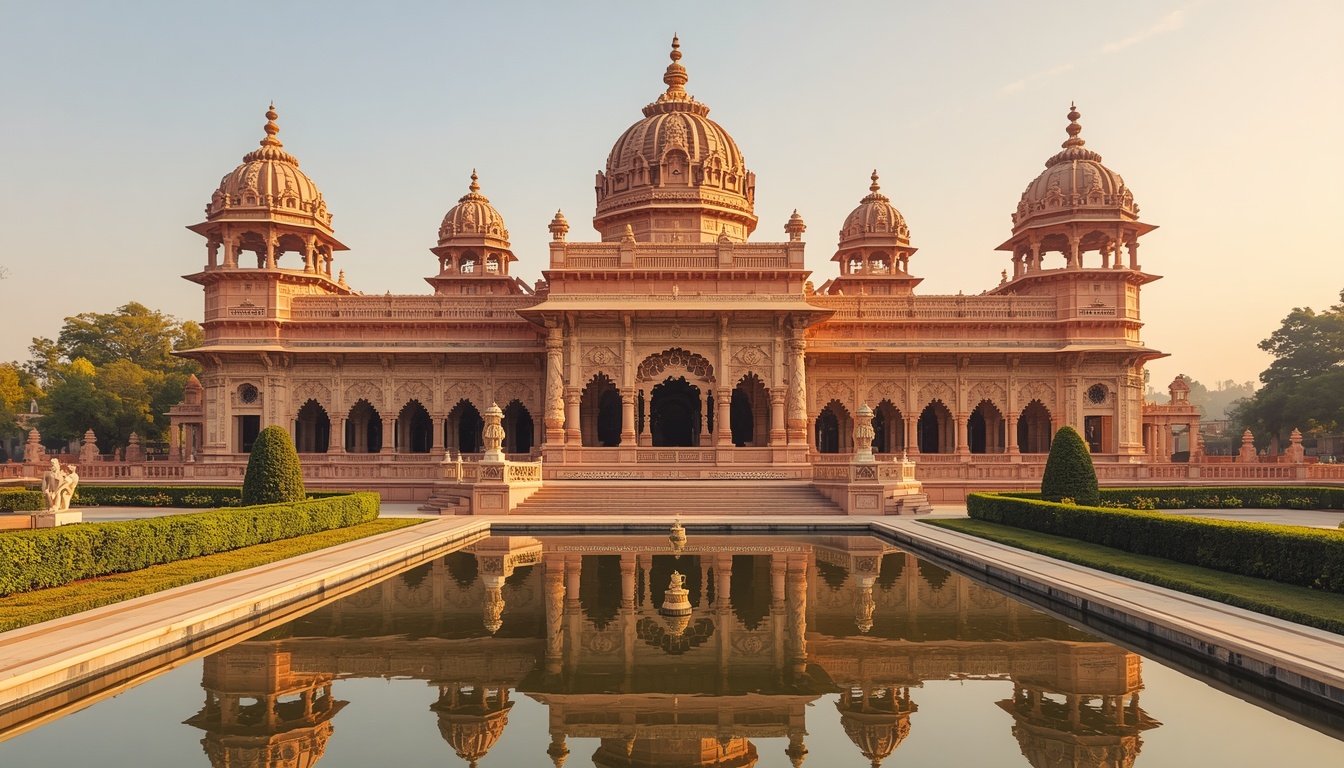
Swaminarayan Akshardham Gujarat is one of the most remarkable destinations for people interested in Hindu spirituality, traditional architecture, cultural heritage, and peaceful moments of reflection.
Located in Gandhinagar, Gujarat, this celebrated temple complex brings together devotion, artistic craftsmanship, and the teachings of Bhagwan Swaminarayan in a setting that encourages visitors to slow down and look beyond their everyday routines.
From the beautifully carved sandstone structures to the carefully maintained gardens, Akshardham offers much more than an opportunity to visit a temple. It presents a glimpse into Hindu traditions, spiritual values, and the dedication of the people who helped bring this vision to life.
Whether you are planning your first visit, researching the history of Akshardham Gandhinagar, or simply curious about its religious importance, understanding the story behind this extraordinary place makes the experience even more meaningful.
Swaminarayan Akshardham Gujarat is a Hindu spiritual and cultural complex situated in Gandhinagar, the capital city of Gujarat, India. Associated with the Bochasanwasi Shri Akshar Purushottam Swaminarayan Sanstha (BAPS), the complex celebrates the life, teachings, and spiritual legacy of Bhagwan Swaminarayan.
The name Akshardham is associated with the idea of the eternal, divine abode of God. It reflects a central spiritual theme: the search for a life guided by devotion, wisdom, compassion, and a deeper understanding of one’s relationship with the divine.
Unlike a place visited only for religious ceremonies, Akshardham combines worship with cultural and spiritual education. Its mandir, architectural details, gardens, and educational attractions create an environment where visitors can explore different aspects of Hindu heritage.
For many people, the atmosphere itself becomes part of the experience. The quiet surroundings, sacred imagery, and traditional craftsmanship offer a welcome contrast to the noise and hurry of modern life.
The word Akshardham is commonly understood in the Swaminarayan tradition as referring to the eternal abode of Bhagwan Swaminarayan, associated with Aksharbrahman. This concept gives the temple its spiritual identity and distinguishes it from a monument valued only for its physical beauty.
The idea of a divine abode also encourages reflection on the qualities people seek in their lives: inner peace, truthfulness, humility, and lasting spiritual fulfillment. For devotees, visiting Akshardham can become an opportunity to renew their faith and strengthen their commitment to these values.
The mandir represents this spiritual vision through sacred architecture and the worship of murtis. The images are not simply decorative objects for devotees; they hold religious meaning and form an important part of Hindu devotional practice.
Bhagwan Swaminarayan, who lived from 1781 to 1830, was a prominent spiritual leader whose teachings continue to influence millions of followers. His message emphasized devotion to God, moral discipline, compassion, service, and a life guided by spiritual principles.
The Swaminarayan temple in Gujarat reflects this continuing tradition. Devotees visit to offer prayers, participate in religious observances, and remember teachings that encourage people to become more thoughtful in their actions.
These teachings also connect with wider Hindu traditions, including respect for spiritual teachers, the pursuit of self-improvement, and the importance of treating others with dignity.
For a visitor unfamiliar with the Swaminarayan tradition, learning about Bhagwan Swaminarayan provides useful context for understanding the religious practices and symbolism found throughout the complex.
Prayer is an important part of the spiritual experience at Akshardham. For devotees, it provides an opportunity to express gratitude, seek guidance, and focus their minds on God. Even a short moment of quiet reflection can feel meaningful after a demanding week.
Non-violence, compassion, honesty, and self-discipline are also important values in Hindu spiritual teachings. These principles encourage individuals to consider how their beliefs can influence everyday choices, from family relationships to interactions with strangers.
The message is not limited to temple walls. Kindness toward others, helping someone in need, and serving the community are practical ways to express spiritual values outside a place of worship.
This connection between devotion and daily conduct is one reason the Akshardham spiritual significance extends beyond religious ceremonies.
The story of Akshardham Gandhinagar is closely connected with the growth of the BAPS Swaminarayan Sanstha and its efforts to preserve and communicate Hindu spiritual traditions through temples and cultural institutions.
The complex was developed as a place where worship, education, and traditional Indian art could come together. Its creation required planning, architectural expertise, skilled craftsmanship, and the dedication of numerous volunteers.
Swaminarayan Akshardham in Gandhinagar was inaugurated on November 2, 1992. The date is an important part of its modern history and marks the opening of a major spiritual and cultural destination in Gujarat.
The development of the complex reflected a vision of presenting India’s spiritual heritage in a way that could be appreciated by devotees, families, students, and international visitors.
Over the years, Akshardham has become an important destination for people interested in religious architecture and the Swaminarayan tradition. Its cultural attractions have also helped introduce visitors to Hindu philosophical ideas and traditional Indian craftsmanship.
When researching the history of Akshardham, it is worth distinguishing between the inauguration of the Gandhinagar complex and the dates associated with other Akshardham temples. The name is used for multiple religious destinations, and their histories are not identical.
Yogiji Maharaj, who lived from 1892 to 1971, was a respected spiritual leader in the Swaminarayan tradition. His life and teachings helped inspire the development of religious and cultural projects that would serve future generations.
His emphasis on devotion, service, harmony, and the involvement of young people contributed to the wider vision of the BAPS community.
The creation of a major spiritual complex such as Akshardham reflects this broader aspiration: to establish a place where faith could be expressed through worship, education, architecture, and service to society.
Pramukh Swami Maharaj, who lived from 1921 to 2016, played a central role in the development of Swaminarayan Akshardham Gandhinagar. Under his spiritual leadership, the project became a significant expression of the BAPS Swaminarayan Sanstha’s commitment to religious devotion and cultural preservation.
His leadership emphasized humility, discipline, community service, and the importance of maintaining spiritual values in everyday life.
The complex stands as a reflection of this vision, bringing together traditional temple design, devotional practices, and educational experiences. The work involved many individuals, including artisans, volunteers, religious leaders, and other contributors who shared a commitment to the project.
One of the most striking features of Akshardham temple architecture is its traditional Indian design and detailed stone craftsmanship. The main mandir is built using intricately carved pink sandstone, creating a warm appearance that changes subtly with the light throughout the day.
Traditional Hindu temple architecture often uses pillars, sculptural details, sacred motifs, and carefully arranged spaces to express religious ideas. At Akshardham, these elements contribute to a visual language rooted in centuries of Indian artistic heritage.
The carved surfaces reward close attention. Floral patterns, ornamental details, and sculptural elements demonstrate the patience and skill required to turn large pieces of stone into a coordinated architectural work.
Rather than relying on modern decorative finishes, the mandir celebrates the natural character of stone and the skill of traditional artisans. This approach gives the complex a distinctive appearance and connects it with India’s long history of religious architecture.
For visitors interested in photography or design, the building offers plenty to observe. However, it is equally worthwhile to take time away from the camera and appreciate the craftsmanship directly.
The design of a Hindu mandir is more than an exercise in creating an attractive building. Its proportions, sacred spaces, and sculptural elements can reflect theological ideas and the relationship between the worshipper and the divine.
At Akshardham, traditional design helps create a setting suited to worship and contemplation. The visual details encourage visitors to consider the beliefs and stories represented in Hindu art.
The presence of murtis, or sacred consecrated images, is central to devotional life in the Swaminarayan tradition. These images are approached with reverence and form part of the rituals performed by devotees.
The combination of architecture and religious symbolism makes the complex an important example of India’s living cultural heritage, rather than simply a historical structure preserved for observation.
The Bochasanwasi Shri Akshar Purushottam Swaminarayan Sanstha, commonly known as BAPS, is closely associated with the planning and development of Akshardham Gandhinagar.
Large temple projects depend on more than architectural drawings and construction materials. They require coordination among designers, stoneworkers, engineers, religious authorities, volunteers, and many other people whose contributions may not be visible to visitors.
Traditional stone carving requires careful attention to detail. A small mistake in a decorative element can affect the balance of an entire pattern, so the work demands patience and considerable experience.
Volunteers also contribute to the broader life of the community through service, organization, and support for religious and cultural activities. Their involvement reflects the principle of seva, or selfless service, which holds an important place in Hindu devotional traditions.
The human effort behind a complex such as Akshardham is a reminder that major cultural landmarks are created through shared commitment, not just financial investment.
Visitors often want to know the basic details of the complex before planning a trip. The following facts provide a useful introduction to the history and identity of Swaminarayan Akshardham Gujarat.
Murtis are central to the devotional identity of the mandir. They represent sacred figures and provide a focus for prayer, worship, and religious observances.
In Hinduism, sacred imagery can communicate spiritual teachings through recognizable forms and symbols. Devotees may express their reverence through darshan, the act of viewing and experiencing the presence of a sacred image.
The precise number and arrangement of murtis can vary between different areas of a temple complex. Visitors interested in particular figures or religious representations should consult official descriptions of the mandir rather than assuming that every Akshardham location contains the same collection.
The development of major BAPS temple projects demonstrates the importance of volunteer service in the organization’s activities. Volunteers may support construction-related efforts, visitor services, community programs, and religious events, depending on the project and their roles.
Numbers such as millions of volunteer hours or thousands of participants sometimes appear in descriptions of large temple-building initiatives. These figures should be attributed to the specific project for which they were recorded, because statistics from different BAPS temples or construction campaigns should not automatically be treated as facts about Gandhinagar alone.
For readers researching Akshardham facts and figures, this distinction is important. Accurate information about a particular temple makes an article more useful than combining statistics from separate locations.
The gardens are an appealing part of the Akshardham experience. Their open spaces provide a contrast to the detailed stonework of the mandir and offer visitors an opportunity to pause between different attractions.
Well-maintained lawns, landscaped areas, and thoughtfully arranged surroundings contribute to the overall atmosphere of the complex. Depending on the season and the area accessible to visitors, the gardens can provide pleasant places for quiet observation and appreciation of the setting.
The Akshardham complex brings architecture and outdoor spaces together in a way that encourages a more relaxed visit. Families may appreciate the opportunity to explore at a comfortable pace, while people interested in religious architecture can use the surrounding views to observe the mandir from different angles.
Visitors should follow posted rules about photography, restricted areas, footwear, and access to the grounds. Temple policies can change, and respecting these guidelines helps preserve the environment for everyone.
Akshardham Gandhinagar helps preserve aspects of Hindu culture through religious worship, traditional art, architectural craftsmanship, and educational activities.
Hinduism includes diverse philosophical traditions, devotional practices, sacred texts, and ways of understanding the divine. A Swaminarayan mandir presents a particular tradition within this broader religious landscape.
Through its sacred imagery and traditional design, Akshardham gives visitors an opportunity to learn about the values and practices associated with the Swaminarayan community.
The complex also illustrates how cultural heritage can remain relevant in contemporary society. Traditional forms of art and worship continue to hold meaning for people who seek connections with their religious and cultural backgrounds.
Selfless service, often called seva, is an important value within the BAPS community. It encourages people to contribute their time and effort for the benefit of others without expecting personal recognition.
This principle can take many forms, including supporting community activities, helping people in need, and participating in charitable initiatives. It also reinforces the idea that spirituality should influence how people treat one another.
The emphasis on compassion and service makes the message of Akshardham relevant beyond the immediate setting of the temple. Visitors can reflect on how small acts of kindness might improve their families, neighborhoods, and wider communities.
Sometimes the most lasting part of a spiritual visit is not a photograph or a souvenir, but a simple decision to become more patient, generous, or understanding.
A visit to a religious monument can offer a welcome opportunity to step away from ordinary responsibilities. The quiet surroundings and sacred atmosphere of Akshardham can encourage visitors to reflect on their priorities and consider what gives their lives meaning.
For devotees, prayer may strengthen their relationship with God. For other visitors, the experience may inspire an appreciation of architecture, cultural history, or the role of faith in community life.
These experiences do not have to be dramatic to be meaningful. A few quiet minutes spent observing the temple’s craftsmanship or reflecting on a spiritual teaching may be enough to leave a lasting impression.
The deeper value of a spiritual destination often lies in what visitors carry home with them: a renewed sense of gratitude, greater respect for cultural traditions, or a desire to live with more compassion.
A visit to Akshardham can include several different experiences, depending on the facilities available and the day’s schedule.
The mandir is the spiritual heart of the complex. Visitors can appreciate the sandstone architecture, observe the sculptural details, and learn about the religious significance of the sacred images.
Those visiting for worship should allow enough time to follow the customary practices and instructions provided at the temple.
Cultural exhibitions and educational attractions associated with the complex have helped visitors explore Indian history, values, spirituality, and the teachings of Bhagwan Swaminarayan.
The availability, operating schedule, and access arrangements of individual attractions can change. It is best to check current official visitor information before making a detailed itinerary.
The landscaped surroundings offer another way to appreciate the complex. Taking time to walk through permitted areas can help visitors notice architectural features that might be missed during a quick visit.
Families, students, and architecture enthusiasts may all find something different to appreciate, making the destination suitable for a variety of interests.
Planning ahead can make a temple visit more comfortable and respectful.
A little preparation can prevent unnecessary stress and leave more time to enjoy the temple’s spiritual and architectural qualities.
Swaminarayan Akshardham is located in Gandhinagar, Gujarat, India. It is a prominent Hindu spiritual and cultural destination associated with BAPS Swaminarayan Sanstha.
Akshardham refers to the eternal divine abode of God in the Swaminarayan tradition. The name expresses the temple’s spiritual purpose and its association with devotion and divine presence.
Swaminarayan Akshardham Gandhinagar was inaugurated on November 2, 1992. It was developed as a place for worship, cultural education, and the preservation of Hindu spiritual traditions.
Yogiji Maharaj’s spiritual legacy helped inspire the broader vision of the project, while Pramukh Swami Maharaj played a central role in its development and realization.
The Bochasanwasi Shri Akshar Purushottam Swaminarayan Sanstha, commonly known as BAPS, is the organization associated with the temple complex.
The main mandir is known for its intricately carved pink sandstone and traditional Hindu architectural style. Its detailed stonework reflects the skill of the artisans involved in its creation.
Akshardham is important because it brings together worship, devotion, Hindu spiritual teachings, and cultural preservation. For devotees, it provides a setting for prayer and a deeper connection with the Swaminarayan tradition.
The time needed depends on which areas and attractions are open and what visitors want to experience. Allowing several hours is a sensible starting point, especially if you plan to explore the mandir and available exhibitions.
Yes, families can visit to learn about Hindu culture, appreciate the architecture, and explore the permitted grounds. Parents should check current visitor rules and exhibition schedules before travelling with children.
Check the latest opening hours, entry requirements, transportation options, and rules for photography and personal belongings. Official visitor information is the best source for current arrangements.
Akshardham is a Hindu spiritual and cultural complex dedicated to devotion, peace, and the teachings of Bhagwan Swaminarayan.
Akshardham Gandhinagar is a famous Hindu temple in Gujarat, India, inaugurated on October 30, 1992, and known for its spiritual significance and intricate architecture.
Akshardham Temple is a sacred Hindu place of worship featuring beautiful carvings, religious art, spiritual exhibitions, and gardens that reflect Hindu traditions.
Akshardham Ahmedabad commonly refers to Swaminarayan Akshardham in nearby Gandhinagar, Gujarat, a popular spiritual and cultural attraction for visitors to the Ahmedabad region.
Akshardham Temple Gandhinagar is a traditionally styled mandir built with intricately carved sandstone, celebrating Hindu spirituality and the teachings of Bhagwan Swaminarayan.
Read more: https://templetimingsdaily.com/visit-swaminarayan-akshardham-gujarat/
Swaminarayan Akshardham Gujarat represents a meaningful meeting point between faith, art, history, and community service. Its sandstone mandir, traditional architecture, spiritual teachings, and carefully designed surroundings offer visitors a chance to experience an important part of India’s living Hindu heritage.
From the influence of Bhagwan Swaminarayan to the contributions of Yogiji Maharaj, Pramukh Swami Maharaj, artisans, and volunteers, the story of Akshardham is ultimately a story of shared devotion and dedication.
For some visitors, the most memorable part will be the architectural beauty. For others, it will be the quiet moment of prayer or the opportunity to learn something new about Hindu traditions. Each experience can provide a different reason to appreciate this remarkable place.
If you are planning a visit, take time to explore its history, observe the craftsmanship, and reflect on the values it represents. You may discover that the true significance of Akshardham lies not only in its impressive structures, but also in the enduring ideals of compassion, humility, devotion, and service that it seeks to inspire.