Physical Address
304 North Cardinal St.
Dorchester Center, MA 02124
Physical Address
304 North Cardinal St.
Dorchester Center, MA 02124


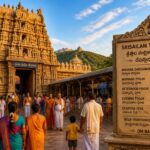
Visiting an ancient temple is not always just about offering prayers. Sometimes, it’s about walking through history, admiring extraordinary craftsmanship, and discovering stories that have survived for hundreds of years. Lepakshi Temple in Andhra Pradesh offers all these experiences in one beautiful destination.
Famous for its remarkable Hanging Pillar, enormous stone Nandi, detailed ceiling paintings, and traditional Vijayanagara architecture, this historic temple attracts devotees, history lovers, photographers, and travellers from different parts of India. The temple is especially interesting because its beauty isn’t limited to the main shrine. Almost every carved pillar, stone sculpture, and decorated ceiling has something worth stopping for.
Whether you’re planning a spiritual visit, a family outing, or a one-day trip from Bangalore, knowing the Lepakshi Temple Timings, Entry Fee & Darshan details can make your journey much easier. This guide covers opening hours, entry charges, important attractions, travel routes, photography rules, and practical tips to help you plan a comfortable visit.
Lepakshi Temple, also known as Veerabhadra Temple or Sri Veerabhadra Swamy Temple, is located in Lepakshi village in Andhra Pradesh. It is dedicated to Lord Veerabhadra, a fierce form of Lord Shiva worshipped in Hindu tradition.
The temple is an outstanding example of Vijayanagara architecture, with beautifully carved stone pillars, spacious mandapas, impressive sculptures, and colourful ceiling artwork. It was developed during the reign of the Vijayanagara Empire, making it an important destination for understanding South Indian temple architecture and heritage.
The temple complex is also associated with stories from the Ramayana, particularly the legend of Jatayu and Lord Rama. These religious and historical connections give Lepakshi a special place among the famous South India heritage temples.
Checking the Lepakshi Temple Timings before leaving home is a sensible idea, especially if you’re travelling from Bangalore or another distant city. Arriving during the opening hours gives you enough time to explore the shrine, admire its architecture, and visit the nearby Nandi statue without rushing.
The commonly listed daily schedule is:
| Darshan schedule | Timings |
|---|---|
| Temple opening time | 6:00 AM |
| Morning darshan | 6:00 AM – 12:30 PM |
| Afternoon hours | 12:30 PM – 4:00 PM |
| Evening darshan | 4:00 PM – 6:00 PM |
| Temple closing time | 6:00 PM |
These timings are useful for planning, but temple rituals, special occasions, and local administrative arrangements may affect the daily schedule. Confirm the latest timings locally before travelling.
The Lepakshi Temple opening time is generally listed as 6:00 AM. Early morning is a lovely time to arrive because the surroundings are usually quieter, and the temperature is more comfortable than during the afternoon.
Visitors who prefer peaceful prayers can consider reaching shortly after the temple opens. You may also get a better opportunity to appreciate the detailed carvings without feeling hurried by larger groups.
The commonly listed Lepakshi Temple closing time is 6:00 PM. Visitors should try to complete their darshan and sightseeing before the evening closing period rather than arriving at the last minute.
If you want to explore the Hanging Pillar, Nagalinga sculpture, temple mandapas, and Nandi statue, allow sufficient time. Remember that the main temple and nearby attractions may have different practical access arrangements.
Morning darshan is a popular choice for visitors who want a peaceful spiritual experience. The softer daylight also makes the ancient stone carvings easier to appreciate, particularly around the temple’s open spaces.
Evening darshan can be another pleasant option, especially when the weather is cooler. However, don’t leave all your sightseeing until the evening, as the temple is a large heritage attraction with several features worth exploring.
One of the pleasant things about visiting Lepakshi is that the main temple is generally reported to offer free entry. Visitors can enjoy the spiritual atmosphere and admire the historical architecture without purchasing a regular admission ticket.
Here’s a quick look at the Lepakshi Temple Entry Fee information:
| Visitor service | Expected charges |
|---|---|
| General temple entry | Free |
| Regular darshan | Free |
| Hanging Pillar viewing | No separate ticket generally reported |
| Nandi statue visit | Free |
| Donations | Voluntary |
| Special pujas or offerings | Confirm locally |
Is Lepakshi Temple entry free?
Yes, general entry and darshan are generally reported as free. There is no commonly listed standard admission ticket for visiting the temple complex or seeing the famous Nandi statue.
However, don’t confuse general temple entry with special religious services. Certain offerings, ceremonies, or additional facilities may involve separate charges. If you are visiting with a tour operator, also check whether transportation and guide fees are included in your package.
The Lepakshi Temple Darshan experience is relatively straightforward. Visitors can generally enter during the permitted hours, remove their footwear at the designated place, and proceed towards the shrine.
The presiding deity is Lord Veerabhadra, and devotees visit to offer prayers and seek blessings. During busy religious occasions, the waiting time may increase, so arriving early is a practical choice.
A few things worth remembering:
The darshan procedure can be slightly different during festivals and special pujas, so follow the arrangements available on the day of your visit.
The best time to visit Lepakshi depends on your comfort with weather, sightseeing preferences, and the kind of experience you’re hoping to enjoy.
Generally, October to February is a comfortable period because temperatures are usually more pleasant than during the hotter summer months.
Winter is a particularly good time for a heritage trip. The weather is generally more comfortable for walking through the temple complex, examining sculptures, and visiting the Nandi statue.
Morning visits during these months can be especially enjoyable. You can spend more time exploring without feeling exhausted by the heat.
Summer temperatures in this part of Andhra Pradesh can become quite high. Walking across exposed stone surfaces during the afternoon may feel uncomfortable, especially for children and senior citizens.
If summer is your only available travel period, plan an early morning visit. Carry drinking water and avoid unnecessary outdoor walking during peak afternoon heat.
The monsoon brings a different atmosphere to the rocky surroundings of Lepakshi. The landscape can look greener, although rainfall may occasionally affect road travel and outdoor sightseeing.
Check the local weather forecast before leaving, particularly if you’re travelling by motorcycle or planning a longer road trip.
Weekdays are often a better choice for travellers who prefer a relatively peaceful visit. Weekends and public holidays can attract more families, tourists, and devotees.
If you want to enjoy the carvings and take architectural photographs with fewer people around, consider arriving early on a weekday.
The temple isn’t famous only because of its religious importance. Its artistic and architectural features make it one of the most fascinating historical destinations in Andhra Pradesh.
There are several attractions worth exploring, and rushing through them would mean missing some of the most interesting details.
The Hanging Pillar is probably the most recognised architectural feature of Lepakshi. It looks like an ordinary stone pillar at first, but a closer look reveals something unusual: part of its base does not rest firmly on the floor.
This remarkable feature has fascinated visitors and architecture enthusiasts for generations. People often call it the floating pillar because a thin piece of cloth or paper can reportedly pass underneath its raised section.
The pillar demonstrates the impressive stoneworking skills associated with Vijayanagara architecture. Avoid pulling, pushing, or putting pressure on it. This is a protected heritage structure, not a tourist experiment.
Another attraction you shouldn’t miss is the Giant Monolithic Nandi. This enormous bull sculpture is carved from a single block of stone and is situated a short distance from the main temple.
Nandi is traditionally associated with Lord Shiva and is considered his divine vehicle. The sculpture is particularly impressive because of its enormous size and carefully carved ornaments.
The statue is approximately 15 feet high and 27 feet long. Its necklaces, bells, and decorative details show the remarkable patience and craftsmanship of the artists who created it.
Many visitors explore the Nandi statue after completing their temple darshan, making it an ideal final stop on the sightseeing route.
The Nagalinga is another extraordinary stone creation within the temple complex. It features a Shiva Linga protected by a large multi-hooded serpent.
The sculpture is associated with Lord Shiva and represents the artistic relationship between religious symbolism and traditional stone carving.
Its dramatic appearance makes it one of the most photographed features at Lepakshi. Take a moment to notice the serpent’s carved hoods and the arrangement around the Shiva Linga.
The ceiling paintings are among the most valuable artistic features of the temple. These Vijayanagara ceiling paintings contain colourful figures, traditional designs, and scenes connected with Hindu religious traditions.
Some paintings depict characters and stories associated with the Ramayana and other Hindu epics. The artwork offers a glimpse into the clothing, ornaments, artistic preferences, and religious imagination of the period.
Look upward while walking through the mandapas because some of the most beautiful details are above your head. Avoid touching or leaning against the painted surfaces, as heritage conservation depends on careful visitor behaviour.
A popular local tradition connects Lepakshi with Goddess Sita and the events of the Ramayana. Visitors are often shown a footprint associated with Sita, sometimes described as Sita’s Footprint.
According to local belief, the mark is connected with the period when Ravana abducted Sita and Jatayu attempted to rescue her.
These stories are part of the temple’s traditional mythology and cultural appeal. They should be understood as religious legends rather than independently established historical events.
The Temple Mandapas are another reason architecture lovers find Lepakshi so interesting. Their stone pillars contain detailed carvings of divine figures, animals, dancers, and decorative patterns.
The unfinished Kalyana Mandapa is particularly interesting because its partially completed appearance provides a glimpse into the construction techniques and artistic ambitions of the period.
Look closely at the individual pillars. Even similar-looking carvings often contain small differences that make the experience more rewarding.
The history of Lepakshi is closely connected with the Vijayanagara Empire, which played a major role in the cultural and architectural development of South India.
The present temple is traditionally associated with the 16th century and the Vijayanagara rulers. Its development is associated with Virupanna, a treasurer during the reign of the Vijayanagara kings.
The temple’s importance comes from more than its age. Its murals, sculptures, mandapas, and stone architecture demonstrate the artistic achievements of the period.
There is also a famous legend behind the name Lepakshi. According to the Ramayana tradition, Jatayu was wounded while trying to rescue Sita from Ravana. When Lord Rama found the bird, he is believed to have said, “Le Pakshi,” meaning “Rise, bird” in Telugu.
Whether you visit because of faith, history, or curiosity, this legend adds another layer of meaning to the destination.
Lepakshi is accessible by road and is particularly popular among travellers coming from Bangalore. The nearest major transport connections make it possible to plan a comfortable day trip.
The Bangalore to Lepakshi distance is approximately 120–123 km, depending on your starting point and chosen route.
A commonly used route is:
The drive generally takes around 2.5–3 hours, depending on traffic and road conditions. NH44 is a convenient option for most private vehicles.
Travellers coming from Hyderabad can reach Lepakshi by road through the Andhra Pradesh highway network. Since the journey is considerably longer than the Bangalore route, check the driving distance and travel time before planning a same-day return.
An overnight stay may be more comfortable for families who don’t want to spend too many hours travelling.
Visitors travelling from Chennai can plan a road journey through the connected highway network towards Bengaluru and then continue towards Lepakshi.
A private car or pre-booked cab can make this journey more convenient, especially when travelling with children or elderly family members.
Hindupur is one of the nearest railway stations, located approximately 15 km from Lepakshi. From there, visitors can use local taxis or other available transport to reach the temple.
Kempegowda International Airport in Bengaluru is a practical airport option for visitors arriving from other cities. From the airport, Lepakshi can be reached by road.
A little preparation can make your temple trip much more enjoyable. Although Lepakshi is a popular heritage destination, some basic facilities and visitor arrangements may differ from what you expect in a major city.
Here are some useful Lepakshi Temple travel tips:
Photography is one of the reasons many travellers enjoy visiting Lepakshi. The beautiful pillars, ceiling artwork, ancient carvings, and enormous Nandi statue offer plenty of interesting subjects.
However, Lepakshi Temple photography rules should be followed carefully. General photography access and restrictions inside religious areas may differ, so check the notices and ask temple staff before taking pictures.
A few useful suggestions:
Professional photography, commercial shoots, and special equipment may require separate permission. Don’t assume that permission for ordinary mobile photography automatically covers every type of camera use.
Before planning a family visit, it’s worth knowing what facilities you may need during the journey.
The temple area has basic visitor arrangements, but facilities can vary depending on maintenance and local conditions.
| Facility | Visitor information |
|---|---|
| Parking | Parking arrangements are available around the attraction; confirm charges locally |
| Drinking water | Carry your own water bottle |
| Public washrooms | Check available facilities near the visitor area |
| Local guides | Local assistance may be available |
| Food options | Look for nearby local eateries |
| Public seating | Seating may be limited in some areas |
| Shopping | Small local shops may offer souvenirs |
For senior citizens, plan a slower sightseeing schedule. Some areas have uneven stone surfaces, and walking barefoot over hot stone floors during summer can be uncomfortable.
If you have additional time, you can explore a few nearby attractions and make your visit more memorable.
Monolithic Nandi: Located a short distance from the main temple, this impressive sculpture is an essential stop for almost every visitor.
Jatayu Theme Park: This attraction connects with the famous Ramayana legend of Jatayu and adds another interesting stop to a Lepakshi sightseeing trip.
Lepakshi Village: Spend a little time exploring the local surroundings and appreciating the traditional atmosphere of the village.
Yes, Lepakshi is a convenient option for a one-day heritage trip, particularly for travellers starting from Bangalore.
If you leave Bangalore early in the morning, you can reach Lepakshi, complete darshan, explore the Hanging Pillar, admire the temple murals, and visit the Nandi statue before returning.
For a comfortable trip, allow approximately 2–3 hours for exploring the main temple and nearby attractions, in addition to your driving time.
Families travelling with children or senior citizens should allow extra time for breaks, walking, and meals.
The generally published visiting hours are 6:00 AM to 6:00 PM. However, darshan arrangements may change during festivals and special religious occasions.
The commonly listed opening time is 6:00 AM. Early morning is a good choice for visitors who prefer a quieter atmosphere.
The temple generally closes at 6:00 PM. Try to arrive early enough to complete your prayers and sightseeing comfortably.
No standard entry ticket is generally reported for regular temple visits. General darshan and access to the Nandi statue are also commonly reported as free.
The main deity is Lord Veerabhadra, a fierce manifestation of Lord Shiva. The temple is also known as Sri Veerabhadra Swamy Temple.
The Hanging Pillar is located inside the main Veerabhadra Temple complex. Its unusual base appears to remain slightly above the floor.
The giant monolithic Nandi is located a short distance from the main temple. It is close enough to include in the same sightseeing visit.
Photography access depends on the area and local restrictions. Follow displayed instructions and ask temple staff before photographing the shrine, murals, or restricted sections.
October to February is generally a comfortable season. Early morning visits are recommended throughout the year, especially during hotter months.
Around 2–3 hours is a reasonable starting estimate for exploring the main temple and nearby Nandi statue. Visitors interested in architecture and photography may prefer spending longer.
Yes. It is an interesting destination for families, children, history enthusiasts, and devotees. However, elderly visitors should consider the walking distance and uneven stone surfaces.
Yes. Bangalore is approximately 120–123 km away, making Lepakshi a popular road-trip destination. Starting early helps you avoid unnecessary delays.
Lepakshi Temple generally remains open daily from 6:00 AM to 6:00 PM, allowing devotees to enjoy morning, afternoon, and evening darshan.
Lepakshi Temple, also known as Sri Veerabhadra Swamy Temple, is a famous historical and religious landmark known for its Vijayanagara architecture, Hanging Pillar, and giant Nandi statue.
Lepakshi is a historic village in Andhra Pradesh, India, famous for its ancient temples, beautiful stone carvings, cultural heritage, and connection with the Ramayana.
Lepakshi Temple is located in Andhra Pradesh’s Sri Sathya Sai district and is dedicated to Lord Veerabhadra. It is celebrated for its remarkable sculptures, murals, and architectural wonders.
Lepakshi Temple is situated in Lepakshi village, Andhra Pradesh, near the Karnataka border. It is approximately 120 km from Bangalore, making it a popular destination for day trips and heritage tours.
Read ARticul: https://templetimingsdaily.com/meenakshi-temple-darshan-timings/
Lepakshi is one of those destinations where religious devotion and artistic brilliance come together in a truly memorable way. From the mysterious-looking Hanging Pillar to the magnificent monolithic Nandi, every attraction offers something different to discover.
Knowing the Lepakshi Temple Timings, entry arrangements, darshan details, and travel routes beforehand can help you enjoy your visit without unnecessary confusion.
Whether you’re travelling from Bangalore with family, visiting from another part of Andhra Pradesh, or exploring South India’s historical temples, Lepakshi deserves a place on your travel list.
Take your time, admire the ancient carvings, respect the temple traditions, and enjoy the peaceful surroundings. Sometimes, the most memorable part of a journey isn’t how many places you visit but how deeply you experience the one standing right in front of you.
If you’ve already visited Lepakshi, share your experience and favourite attraction in the comments. Your travel tips might help someone else plan an equally wonderful visit.