Physical Address
304 North Cardinal St.
Dorchester Center, MA 02124
Physical Address
304 North Cardinal St.
Dorchester Center, MA 02124

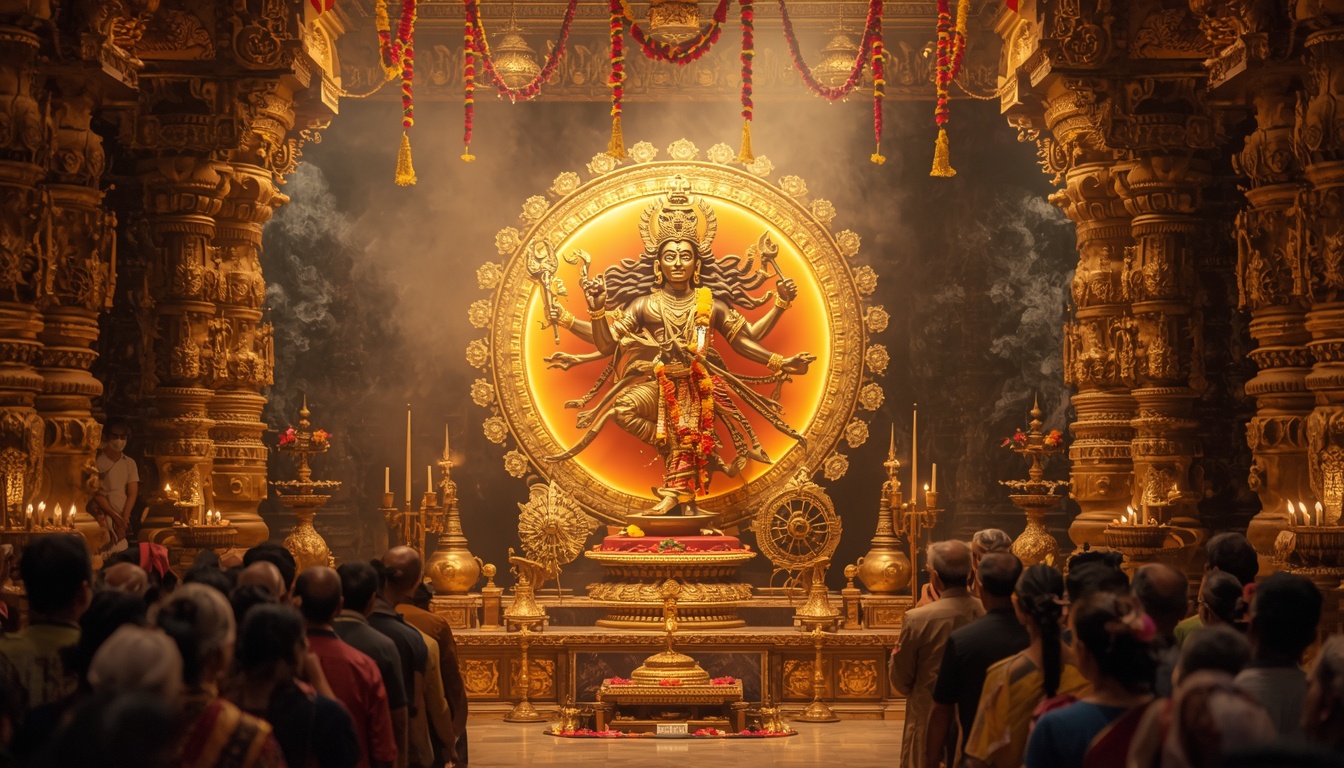
Some festivals are celebrated with lights, flowers, and grand processions, while others invite people to look a little deeper into their own hearts. Arudra Darshan 2026 is one such sacred occasion. Dedicated to Lord Shiva in his magnificent Nataraja form, this festival celebrates the divine rhythm of the universe through the cosmic dance known as Ananda Tandava.
For Shiva devotees, the occasion is much more than a traditional religious celebration. It represents the power of creation, preservation, destruction, and spiritual transformation. Temples fill with devotional songs, sacred chants, beautiful decorations, and the fragrance of flowers as worshippers gather to receive the blessings of Mahadeva.
Observed during Margazhi Masam, Arudra Darshan holds a special place in Tamil Hindu traditions, particularly in Tamil Nadu, Kerala, and other regions where Shaivism has a strong cultural presence. Let’s explore its date, history, spiritual meaning, rituals, and the beautiful traditions associated with this divine festival.
The January observance of Arudra Darshan 2026 falls on Saturday, January 3, 2026. The festival is associated with the appearance of Thiruvathirai Nakshatra, also called Arudra Nakshatra, during the sacred Margazhi month.
There is another Thiruvathirai observance on December 24, 2026, according to several Hindu calendars. Devotees should check their local temple calendar to confirm which observance and puja timings are followed in their region.
Here are the important calendar details:
The precise timings of the nakshatra and tithi differ according to geographical location. Therefore, people planning a special puja should follow the Panchang used by their local temple.
Arudra Darshan is an important Hindu festival dedicated to Lord Shiva in his dancing form, Nataraja. The word Arudra refers to the sacred Ardra or Thiruvathirai Nakshatra, while Darshan means seeing or receiving the divine presence of a deity.
The festival celebrates the extraordinary Cosmic Dance of Lord Shiva, traditionally called Ananda Tandava or the Dance of Bliss. Through this divine performance, Shiva represents the continuous movement of the universe and the eternal relationship between creation and destruction.
Unlike an ordinary dance, Nataraja’s cosmic performance carries a profound spiritual message. It reminds devotees that everything in existence moves through different stages, and nothing remains unchanged forever.
The occasion is especially significant for followers of Shaivism, who worship Lord Shiva as the Supreme Consciousness and the ultimate source of divine energy.
Many devotees also consider Arudra Darshan the spiritual birthday of Lord Shiva, particularly in Tamil traditions. However, this is a devotional belief rather than a universally observed birthday celebration.
The Arudra Darshan significance comes from the divine symbolism of Lord Nataraja’s cosmic dance. It represents the five essential activities through which the universe functions, traditionally known as Panchakritya or the Five Cosmic Acts.
These five activities explain why Nataraja is regarded as the supreme symbol of universal balance.
The five cosmic acts represented by Lord Shiva are:
These activities are not simply descriptions of physical events. They also represent the changes that happen within human life, from beginning new journeys to overcoming difficulties and discovering inner wisdom.
For devotees, remembering these five acts during Arudra Darshan becomes an opportunity to reflect on personal growth and spiritual development.
One of the most powerful symbols in Nataraja’s appearance is Apasmara, the small dwarf-like figure beneath his foot. Apasmara represents ignorance, forgetfulness, and spiritual confusion.
By placing his foot over Apasmara, Lord Shiva demonstrates the victory of knowledge over ignorance. The image reminds worshippers that spiritual wisdom becomes possible when they overcome ego, attachment, and false understanding.
Nataraja’s raised hand displays the Abhaya Mudra, a gesture traditionally associated with protection and freedom from fear. It communicates reassurance to devotees who approach the divine with sincere faith.
His raised foot represents liberation and divine grace, encouraging people to move beyond worldly attachments and seek Moksha.
This is why many worshippers regard Arudra Darshan as an auspicious occasion for meditation, prayer, and spiritual renewal.
The history of Arudra Darshan festival is closely connected with ancient Shaiva traditions and the mythology surrounding Lord Shiva’s cosmic dance.
According to a popular legend, Lord Shiva performed his magnificent Ananda Tandava in the presence of sages and divine beings. The performance revealed the supreme nature of Shiva and demonstrated that the entire universe exists within his divine energy.
Another important story connects the festival with the sages Patanjali and Vyaghrapada. These two devotees wished to witness the extraordinary cosmic dance of Lord Shiva.
Their devotion brought them to the sacred town of Chidambaram, where Shiva appeared as Nataraja and performed his divine dance.
This story explains why Chidambaram became one of the most important pilgrimage destinations for Shiva worshippers.
The tradition also reflects the importance of ancient Tamil Shaiva literature, temple worship, devotional music, and classical dance. Over generations, the celebration developed into a major religious and cultural event.
The image of Lord Shiva as Nataraja is among the most recognizable representations of Hindu spirituality. Nataraja literally means the King of Dance, and his divine appearance communicates several philosophical ideas through different symbols.
Every part of the Nataraja statue carries a particular meaning.
In one of his upper hands, Nataraja holds a small drum called the Damaru.
Its sound represents the beginning of creation and the original vibration from which the universe emerges. In Shaiva traditions, the fourteen sounds of Shiva’s Damaru are also associated with the Maheshwara Sutras, which are important in Sanskrit grammar.
Another hand carries Agni, or divine fire.
It represents destruction, transformation, and the removal of everything that has reached the end of its natural cycle. The fire also reminds people that destruction is not always negative because it can create space for renewal.
Nataraja’s front right hand displays the Abhaya Mudra.
This gesture offers reassurance, protection, and confidence to those who surrender themselves to divine grace. It is a beautiful reminder that faith can provide strength during difficult moments.
Under Nataraja’s foot lies Apasmara, the Dwarf of Ignorance.
This figure represents the obstacles created by ego, misunderstanding, and spiritual darkness. Shiva’s posture shows that true wisdom can overcome these limitations.
The circular ring of flames surrounding Nataraja is known as Prabhamandala.
It symbolizes the universe, eternal movement, and the continuous cycle of birth, existence, and transformation. The flames also highlight the immense divine energy behind the cosmic dance.
Together, these symbols make the Nataraja divine icon a powerful representation of universal consciousness.
The Arudra Darshan rituals vary slightly between temples and family traditions, but most celebrations focus on worshipping Lord Shiva and receiving the blessings of Nataraja.
Devotees often begin the day with purification, prayer, and visits to nearby Shiva temples.
Many worshippers wake up before sunrise and take a ritual bath. Some families decorate their homes with kolam designs and light traditional lamps.
After preparing the prayer area, they offer flowers and water to Lord Shiva while reciting sacred prayers.
One of the central activities is the special Shiva Abhishekam, performed using sacred substances such as water, milk, honey, sandalwood, and other traditional offerings.
At Nataraja temples, special abhishekam rituals are performed for the divine image according to established temple customs.
The ceremony is accompanied by Vedic chanting, devotional music, and the recitation of Shiva mantras.
Devotees offer special prayers to Lord Nataraja during auspicious hours, with particular importance given to the early morning period.
The deity may be decorated with beautiful silk garments, flower garlands, and elaborate jewelry. Temple priests perform the traditional puja while worshippers gather to witness the divine Darshan.
Some Shiva devotees observe fasting throughout the festival according to their family traditions.
Others participate in an all-night vigil, spending time chanting holy names, listening to devotional songs, and meditating on Mahadeva.
Fasting practices differ from person to person. Some devotees avoid certain foods, while others observe stricter forms of fasting according to their religious customs and personal health.
The atmosphere becomes especially beautiful when devotees sing traditional Tamil devotional songs and recite sacred Sanskrit prayers.
The sound of temple bells, Damaru, and devotional instruments adds to the spiritual experience.
Many temples also organize special religious discourses explaining the symbolism of Nataraja’s Ananda Tandava.
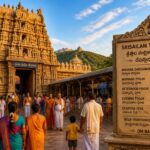
The Chidambaram Nataraja Temple in Tamil Nadu is one of the most famous places associated with Arudra Darshan.
Dedicated to Lord Shiva as Nataraja, this ancient temple holds extraordinary importance in Tamil Shaiva traditions. Thousands of devotees visit during the festival to witness special ceremonies and receive the blessings of the divine dancer.
The temple’s celebrations include elaborate rituals, sacred processions, and traditional forms of worship.
One of the major highlights is the special abhishekam performed for Lord Nataraja.
The deity is ceremonially worshipped with sacred offerings, accompanied by traditional chants and temple rituals.
The entire ceremony reflects the deep devotion that generations of worshippers have maintained toward the dancing form of Shiva.
The divine images of Lord Nataraja and Goddess Shivakami are central to the temple’s celebrations.
Their procession represents the divine relationship between Shiva and Shakti. Devotees gather to witness the beautifully decorated deities as traditional temple customs are performed.
During major celebrations, elaborate flower arrangements, silk garments, jewelry, and traditional decorations add beauty to the temple environment.
The procession and chariot-related traditions are also important attractions for pilgrims.
The presence of Dikshitar priests, who maintain the temple’s hereditary worship traditions, adds to the distinctive religious character of Chidambaram.
Although Arudra Darshan is especially popular in Tamil Nadu, its importance extends to several other parts of India.
Devotees in Kerala and Andhra Pradesh also observe the festival through temple worship, fasting, devotional singing, and special prayers.
In Tamil Nadu, the celebration is closely connected with Margazhi Masam, which is regarded as an especially sacred period for Shiva worship.
In Kerala, the festival is widely associated with Thiruvathira, and women traditionally participate in devotional and cultural celebrations connected with the occasion.
Several Shiva temples outside India also organize special worship for Nataraja, allowing devotees living abroad to maintain their religious traditions.
Although local customs may differ, the central message remains the same: honoring Shiva’s divine energy and understanding the spiritual meaning of his cosmic dance.
Food traditions are another meaningful part of the Thiruvathirai festival.
One of the best-known traditional preparations is Thiruvathirai Kali, a sweet dish prepared especially during this occasion in Tamil households.
It is generally made using rice, jaggery, ghee, and selected ingredients such as cardamom and nuts. The preparation is offered to Lord Shiva before being shared among family members.
Another traditional preparation is Thalagam, a mixed vegetable dish made using seasonal vegetables and a special spice mixture.
Both dishes are closely associated with Tamil cultural traditions and are often prepared as part of the festival’s devotional celebrations.
Thiruvathirai Kali is a traditional sweet offering prepared to honor Lord Shiva.
Its soft texture and rich jaggery flavor make it a favorite festive preparation in many Tamil households.
Families often prepare it early in the day, offer it during puja, and share it as prasadam with relatives and visitors.
Thalagam is a traditional vegetable preparation commonly served alongside Thiruvathirai Kali.
It usually includes a combination of vegetables, lentils, and freshly prepared spices. The exact ingredients can vary depending on family traditions and regional recipes.
These foods are not merely festive meals; they represent the cultural connection between devotion, family gatherings, and traditional Tamil cooking.
Chanting sacred mantras is an important part of Shiva worship. During Arudra Darshan, devotees recite different prayers to express gratitude, seek divine protection, and develop spiritual awareness.
Here are some traditional mantras suitable for the occasion.
Om Namah Shivaya
This is one of the most beloved mantras dedicated to Lord Shiva.
The five syllables Na-Ma-Shi-Va-Ya are traditionally associated with the five elements: earth, water, fire, air, and ether.
Devotees believe that regular chanting encourages inner peace, devotion, and spiritual discipline.
A traditional Nataraja meditation prayer begins with:
Nruttavasane Natarajarajo Nanada Dhakkam Navapanchavaram
This verse is associated with the sacred sounds of Shiva’s Damaru and the Maheshwara Sutras.
It recalls the divine connection between Nataraja’s cosmic dance and the origin of sacred sound.
Devotees may recite traditional versions of this prayer with guidance from knowledgeable priests or Sanskrit teachers.
Siva Siva Shambo Mahadeva
This devotional expression praises Shiva as the compassionate and supreme Lord.
It is often used in devotional singing and group chanting during temple celebrations.
Om Namah Shivaya, Lord Mahadeva, bless us with wisdom, courage, peace, and the strength to overcome ignorance.
Families can also offer simple prayers in their own language. Sincere devotion matters more than complicated words.
The spiritual benefits of Arudra Darshan are traditionally associated with devotion, self-reflection, and the blessings of Lord Shiva.
For many worshippers, the festival provides an opportunity to pause from everyday responsibilities and reconnect with their spiritual values.
Some commonly associated benefits include:
These are religious and devotional beliefs rather than scientifically established outcomes. The deeper purpose is to encourage compassion, discipline, gratitude, and awareness.
Not everyone can travel to Chidambaram or another famous Shiva temple. Fortunately, devotees can observe Arudra Darshan at home with simple traditional practices.
A peaceful prayer space and sincere devotion are enough to make the day meaningful.
Here are some ways to celebrate:
Families can also involve children by explaining the meaning of Nataraja’s symbols. This makes the celebration a beautiful opportunity to pass religious and cultural knowledge to the next generation.
Chidambara Rahasyam is an important spiritual concept connected with the Chidambaram Nataraja Temple.
The term generally refers to the sacred mystery of Chidambaram and its association with the formless aspect of Lord Shiva.
While Nataraja represents Shiva in a visible dancing form, Chidambara Rahasyam points toward the divine presence beyond physical appearance.
It is associated with the concept of Akasha, or ether, and the understanding that ultimate consciousness cannot always be represented through a physical image.
This idea is especially meaningful during Arudra Darshan because it connects the visible cosmic dance with the invisible spiritual reality behind existence.
The January observance falls on Saturday, January 3, 2026. Another Thiruvathirai observance occurs on Thursday, December 24, 2026. Check the local Panchang for the relevant temple celebration and timings.
Lord Shiva is the main deity worshipped in his Nataraja form. Goddess Shivakami, his divine consort, is also an important part of the celebrations.
The festival celebrates Lord Shiva’s Ananda Tandava, or Dance of Bliss. This cosmic performance symbolizes creation, preservation, destruction, concealment, and divine grace.
ARticul Read : https://templetimingsdaily.com/karthika-masam/
The Chidambaram Nataraja Temple in Tamil Nadu is particularly famous for its grand Arudra Darshan celebrations and ancient Shaiva traditions.
Some Tamil devotional traditions consider this occasion the spiritual birthday of Lord Shiva. However, it is more broadly understood as a celebration of his cosmic dance.
Thiruvathirai Kali is the most famous traditional sweet offering associated with the festival. It is commonly prepared with rice, jaggery, and ghee. Thalagam is another popular traditional preparation.
Arudra Darshan is traditionally associated with the sacred Thiruvathirai Nakshatra during the Margazhi period. Its relationship with Purnima is described in regional Panchang traditions, but the exact tithi and nakshatra timings should be checked for the relevant location.
Om Namah Shivaya is one of the most popular and widely recited Shiva mantras. Devotees may also chant Nataraja prayers and traditional Tamil devotional hymns.
Yes. Many devotees observe fasting according to their family and temple traditions. Some follow a simple vegetarian diet, while others observe stricter fasting practices.
The temple organizes special Nataraja worship, abhishekam, devotional ceremonies, and traditional processions. Thousands of worshippers visit to receive the Darshan of Lord Nataraja and Goddess Shivakami.
Arudra Darisanam 2026 is a sacred Hindu festival dedicated to Lord Shiva in his Nataraja form, celebrating his divine cosmic dance, Ananda Tandava, and spiritual blessings.
Arudra Darisanam’s January observance falls on Saturday, January 3, 2026. The exact nakshatra timings vary by location, so devotees should check their local Panchang.
Arudra Darshan 2026 is celebrated during the Tamil month of Margazhi, when devotees worship Lord Nataraja through special pujas, abhishekam, fasting, and devotional prayers.
Chidambaram Arudra Darisanam is a major celebration at the famous Nataraja Temple in Tamil Nadu, featuring special abhishekam, traditional rituals, and divine processions of Lord Nataraja.
Chidambaram Arudra Darisanam 2023 was celebrated with traditional temple rituals and special worship dedicated to Lord Nataraja, attracting devotees to witness his sacred cosmic dance celebration.
Arudra Darshan 2026 is a beautiful celebration of Lord Shiva’s divine energy, spiritual wisdom, and eternal cosmic dance. Through the magnificent form of Nataraja, the festival teaches that creation and destruction are natural parts of existence and that divine grace can guide people toward greater understanding.
Whether someone visits the famous Chidambaram Nataraja Temple, participates in a local temple celebration, or offers simple prayers at home, the essence of the occasion remains the same.
Take a moment to remember Mahadeva, chant Om Namah Shivaya, and reflect on the deeper meaning of his Ananda Tandava. May Lord Nataraja bless every devotee with peace, courage, wisdom, and spiritual strength.
Om Namah Shivaya! May the divine rhythm of Lord Shiva bring harmony and happiness into every heart.