Physical Address
304 North Cardinal St.
Dorchester Center, MA 02124
Physical Address
304 North Cardinal St.
Dorchester Center, MA 02124


The name of Sanwariya Seth carries a special place in the hearts of Krishna devotees, particularly those who believe that faith, hard work, and divine blessings go hand in hand. Located in the peaceful surroundings of Mandaphiya village in Rajasthan, this famous temple welcomes thousands of visitors who come seeking blessings, spiritual comfort, and a moment of connection with Lord Krishna.
What makes this place particularly interesting is the way devotees address Krishna as Sanwariya Seth, lovingly considering him the divine businessman and the owner of everything they have. Some visitors arrive with prayers for their families, while others seek blessings for their businesses, financial stability, and future plans. Whatever brings someone here, the atmosphere has a warmth that is difficult to describe in ordinary words.
If you are planning a visit in 2026, understanding the Sanwariya Seth Temple timings, darshan arrangements, aarti schedule, temple history, location, and visitor guidelines can make your journey considerably easier. This guide covers the important details you should know before visiting Shri Sanwariya Seth Dham.
Knowing the Sanwariya Seth Temple timings is important, especially if you are travelling from another city or planning to visit with elderly family members. The temple generally follows morning and afternoon-evening darshan sessions, with a break around midday.
According to the Rajasthan government’s tourism information, the commonly published schedule is:
| Temple Schedule | Timings |
|---|---|
| Morning opening | 5:30 AM |
| Morning darshan closing | 12:00 PM |
| Afternoon reopening | 2:30 PM |
| Evening closing | 11:00 PM |
| Mangala Aarti | 5:30 AM |
| Rajbhog | 10:00 AM – 11:15 AM |
| Afternoon Aarti | 2:30 PM |
| Evening Aarti | 8:00 PM – 9:15 PM |
| Bhajan and Kirtan | 9:15 PM – 11:00 PM |
These are commonly published timings and may change according to temple arrangements, religious occasions, and special festivals. It is sensible to confirm the latest schedule with the temple before beginning a long journey.
Morning is a beautiful time to experience the temple. The atmosphere is filled with devotional sounds, bells, prayers, and the movement of devotees arriving for their first darshan of the day.
The Sanwariya Seth morning darshan generally begins around the Mangala Aarti. People who prefer a quieter spiritual experience often try to arrive early, although the number of visitors can vary from one day to another.
If you are travelling with children or senior citizens, arriving before the main morning rush can make the visit more comfortable.
The evening hours bring a different kind of devotional atmosphere. As the day gradually settles, devotees gather for prayers, aarti, and bhajans.
The Sanwariya Seth evening darshan is especially meaningful for visitors who enjoy the spiritual environment created by devotional singing and temple rituals.
The temple generally remains open until approximately 11 PM, according to the published schedule. However, visitors should check whether the darshan arrangements have changed on their chosen date.
One important detail that first-time visitors sometimes overlook is the afternoon break.
The temple’s commonly published schedule indicates that morning darshan finishes around noon and resumes at approximately 2:30 PM. Arriving during this interval may mean waiting outside or adjusting your plans.
Rather than reaching the temple just after midday, try arranging your journey around the morning or afternoon reopening.
Aarti is among the most memorable parts of visiting a Hindu temple. At Sanwariya Seth Dham, daily worship follows traditional devotional practices dedicated to Lord Krishna.
The Sanwariya Seth Aarti timings help devotees plan their visit around important worship sessions rather than simply arriving whenever convenient.
Mangala Aarti takes place early in the morning and marks the beginning of the day’s devotional activities.
For many Krishna devotees, attending this ceremony is a special experience. The temple gradually becomes active as prayers begin and visitors gather to seek blessings.
Shringar is associated with adorning the deity with beautiful clothes and decorations. Krishna worship traditionally places great importance on presenting the deity with devotion and affection.
The decorated appearance of Sanwariya Seth is one reason devotees enjoy visiting during different daily worship periods.
The exact Shringar Aarti schedule should be confirmed locally because not every published timetable lists this ritual separately.
Rajbhog is associated with offering food to the deity. The commonly published temple schedule places Rajbhog between 10 AM and 11:15 AM.
This ritual reflects the traditional practice of preparing and offering food as an expression of devotion before it is distributed or made available as prasad according to temple arrangements.
Sandhya Aarti takes place during the evening worship period. Devotees gather to participate in prayers and experience the peaceful atmosphere of the temple.
For visitors who cannot attend early morning ceremonies, the evening worship offers another opportunity to experience the devotional traditions of Sanwariya Seth.
Shayan Aarti is associated with the concluding worship period of the day, traditionally representing the deity’s resting time.
Visitors should confirm the precise Shayan Aarti arrangements with the temple, as different online schedules sometimes use different names for the evening ceremonies.
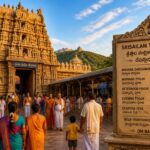
The Sanwariya Seth Temple location is Mandaphiya village in Chittorgarh district, Rajasthan. The temple is situated along the Chittorgarh-Udaipur highway and is accessible by road from several major cities.
The destination is also known as Shri Sanwariya Seth Dham or Sanwariya Seth Mandir. Its location makes it a popular religious destination for people travelling through southern Rajasthan.
Temple: Shri Sanwariya Seth Temple
Village: Mandaphiya (Mandfiya)
District: Chittorgarh
State: Rajasthan, India
Nearby highway: NH-27, Chittorgarh-Udaipur route
When searching for directions, use the name Sanwariya Seth Temple, Mandaphiya, Chittorgarh, Rajasthan. This helps distinguish the Mandaphiya shrine from the other temples associated with Sanwariya Ji.
Udaipur is one of the important starting points for visitors travelling to the temple.
The Sanwariya Seth Temple distance from Udaipur is approximately 80–90 kilometres by road, depending on the selected route and exact starting point.
Travellers can hire a taxi, use a private vehicle, or explore available bus services. Travel time depends on road conditions and traffic, so keeping some additional time in your schedule is a sensible idea.
Chittorgarh is another convenient starting point for reaching Mandaphiya.
The Sanwariya Seth to Chittorgarh distance is approximately 40 kilometres by road. Visitors arriving at Chittorgarh railway station can arrange a taxi or local transport for the remaining journey.
If you are arriving by train, it is useful to check transport availability before leaving the railway station, especially during busy festival periods.
Nathdwara is another important Krishna pilgrimage destination in Rajasthan, particularly famous for Shrinathji Temple.
The distance between Nathdwara and Sanwariya Seth Temple is approximately 80–90 kilometres by road, depending on the route.
Some devotees plan visits to both places as part of a wider Krishna pilgrimage. If you are considering this journey, check the darshan schedules of both temples rather than assuming that their opening hours will match.
Visitors can reach Mandaphiya using different transportation options.
If you are planning a road trip, check the route conditions and allow additional time for traffic near the temple entrance.
The Sanwariya Seth Temple history is closely connected with a popular local account involving a divine dream and the discovery of three Krishna idols.
According to the traditional story, the events date back to approximately 1840. A man named Bholaram Gurjar, associated with Mandaphiya village, reportedly dreamed about three beautiful idols buried underground near the Chapar area of Bagund-Bhadsoda.
Following this dream, people searched and excavated the location. The discovery of three similar black stone idols of Lord Krishna became an important event in the religious history of the region.
The story of Bholaram Gurjar remains an important part of local devotion.
According to the traditional account, he was a milkman who received a divine indication in his dream about the buried idols. When the location was excavated, the idols were reportedly discovered as described.
Devotees regard this event as the beginning of the modern religious importance of the three Sanwariya Ji shrines.
It is worth remembering that this account is preserved through religious tradition and should not be confused with a fully documented archaeological history.
One particularly interesting element of the Sanwariya Seth temple origin is the discovery of three similar Krishna idols.
According to the traditional account, the idols became associated with three different locations:
These locations hold religious importance for devotees who wish to explore the wider Sanwariya Ji pilgrimage.
The Mandaphiya temple gradually developed from a relatively modest place of worship into a prominent religious destination.
Local accounts associate the early establishment of the shrine with Rodulalji Jain, who is remembered for supporting the construction of the initial temple with the help of villagers.
Over time, the popularity of Sanwariya Seth increased, attracting devotees from Rajasthan and other parts of India. The temple complex developed to accommodate the growing number of visitors.
Today, Sanwariya Seth Dham is recognised as an important Krishna pilgrimage destination.
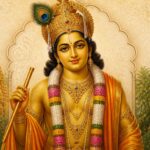
The word Sanwariya is associated with Krishna’s dark complexion, while Seth is a respectful title commonly used for a wealthy merchant or businessman.
Together, the name Sanwariya Seth represents a beloved devotional form of Lord Krishna.
Many devotees believe that Krishna is not simply the giver of wealth but also the ultimate owner of everything. This understanding has created a special relationship between the deity and people involved in business and trading.
Business owners from Rajasthan, Gujarat, and other parts of India frequently visit the temple to pray for prosperity and stability.
Some devotees consider Sanwariya Seth a spiritual partner in their professional journey. They may bring account books, business documents, partnership papers, or simply offer prayers for their future plans.
The tradition is rooted in faith rather than a promise of financial success. Devotees often connect their prayers with honesty, hard work, responsibility, and ethical business practices.
The idea of Krishna as a divine merchant is particularly meaningful to people who want to balance commercial success with spiritual values.
The Bhagavad Gita teaches the importance of performing one’s duties with dedication rather than becoming completely attached to the results.
For many visitors, this philosophy gives their prayers at Sanwariya Seth Temple an additional meaning. They seek blessings while remembering that business loyalty, fair dealings, and personal responsibility also matter.
Visitors planning their first trip often search for Sanwariya Seth online booking, temple tickets, VIP darshan, and special aarti arrangements.
It is important to distinguish between ordinary temple darshan and separately organised religious services.
Ordinary temple darshan is generally understood to be free for devotees. Visitors should not assume that a paid ticket is necessary simply to enter the temple.
If any special service, donation, or separately organised arrangement is available, confirm its details through the temple administration.
Before using a website that claims to provide online darshan reservations, check whether it is genuinely associated with the temple administration.
The published government visitor information provides darshan timings and temple contact details, but does not establish a general online advance-booking facility for ordinary darshan.
For this reason, visitors should confirm the current procedure directly with the temple rather than paying an unverified third party.
Some devotees search for special or VIP darshan to reduce waiting time.
However, availability and arrangements can change depending on temple administration and religious occasions. Do not assume that a private website or agent can guarantee priority entry.
Contact the temple administration for accurate information about any authorised special arrangements.
Donations are an important part of religious life at many temples.
Devotees visiting Sanwariya Seth may wish to contribute towards temple activities and charitable services. Always use authorised donation arrangements and obtain an appropriate receipt when one is provided.
Avoid transferring money to unknown personal accounts claiming to represent the temple.
One custom associated with visits to Sanwariya Seth is the idea of arriving with empty hands.
The Sanwariya Seth empty hands tradition is understood by devotees as an expression of trust and surrender. Instead of feeling that they must bring expensive offerings, visitors come with faith and prayers.
Some descriptions of temple customs also mention restrictions on outside flowers, garlands, coconuts, or other offerings. Because individual arrangements can change, ask temple staff about the current rules before purchasing anything outside.
Prasad is an important part of Hindu worship and represents food offered to the deity with devotion.
Visitors can ask about the authorised prasad counter and the available distribution arrangements during their visit.
The experience of receiving prasad may seem like a small moment, but for many devotees it becomes a meaningful part of their temple journey.
A few simple practices can help visitors avoid confusion:
The purpose of these arrangements is to maintain an organised environment for worship.
Festivals bring an especially lively devotional atmosphere to Sanwariya Seth Dham. During important Krishna-related celebrations, devotees arrive from different parts of Rajasthan and neighbouring states.
The temple environment becomes more colourful with religious decorations, prayers, bhajans, and special worship arrangements.
Janmashtami celebrates the birth of Lord Krishna and is among the most important occasions for Krishna devotees.
At Sanwariya Seth Temple, devotees may participate in special worship, devotional singing, and celebrations connected with Krishna’s birth.
The midnight celebration is particularly significant in traditional Krishna worship, although the exact temple programme and darshan arrangements should be confirmed for 2026.
Visitors planning to attend Sanwariya Seth Janmashtami 2026 should arrange transportation and accommodation early because festival crowds can make travel more demanding.
Ekadashi is a significant religious observance in the Hindu calendar, particularly among Vaishnav devotees.
Many people observe fasting, prayers, and devotional activities on these days. Sanwariya Seth devotees may also visit the temple to seek blessings and participate in worship.
The number of visitors can increase on important Ekadashi occasions, so arriving early is often a sensible decision.
Kartik Purnima holds special religious importance for many Hindu communities.
Devotees associate this occasion with prayers, charitable activities, spiritual observances, and temple visits.
Visitors wishing to celebrate Kartik Purnima at Sanwariya Seth Dham should check the temple’s announced programme and any special arrangements.
Holi is another joyful occasion connected with Krishna devotion.
The celebration reminds devotees of the colourful traditions associated with Krishna and the stories of Vrindavan.
Temple programmes may include devotional music, special worship, and festive activities depending on the year’s arrangements.
Choosing the right time can make a considerable difference to your experience.
The best time for Sanwariya Seth darshan depends on whether you prefer early morning worship, evening aarti, or a quieter visit during ordinary weekdays.
Ordinary weekdays may offer a more manageable visiting experience than major festival days.
However, the temple attracts devotees throughout the year, so there is no guarantee that every weekday will be quiet.
If your travel dates are flexible, avoid selecting a date solely because it appears less popular online.
Janmashtami, Ekadashi, and other important religious occasions may attract larger crowds.
During these periods, waiting times can increase and traffic around the temple may become heavier.
Keep additional time available and follow the directions of temple staff.
A few practical steps can make the visit easier:
The experience is more enjoyable when visitors remain patient and respect the arrangements made for everyone.
The temple attracts visitors of different ages, including families, senior citizens, and people travelling from distant locations.
Understanding the basic facilities beforehand can help you plan a more comfortable visit.
Visitors travelling by private car should look for designated parking areas and follow local traffic instructions.
Parking availability and charges may depend on the arrangements operating on the day of your visit. Confirm any applicable fee before leaving your vehicle.
Like most Hindu temples, footwear must be removed before entering the designated worship areas.
Use the available shoe stand or authorised footwear storage arrangement. Keep any token provided by the staff until you collect your shoes.
Visitors can explore nearby food options and accommodation facilities in the Mandaphiya area.
During major festivals, rooms and transport may become harder to arrange, so booking accommodation ahead of time is a sensible precaution.
For visitor information, the Rajasthan tourism listing provides the following temple contact numbers:
Because contact details and administrative arrangements can change, verify that the numbers are currently active before relying on them for travel planning.
A visit to Mandaphiya can also be an opportunity to explore other religious destinations in the wider Rajasthan region.
If you have additional time, consider including another Krishna temple in your travel itinerary.
Bhadsoda is particularly relevant because of its association with the traditional discovery story of the three Krishna idols.
Visitors interested in Sanwariya Seth history may find it meaningful to explore the other shrines connected with the same religious tradition.
Shrinathji Temple in Nathdwara is one of Rajasthan’s most famous Krishna pilgrimage destinations.
It is associated with the Pushti Marg tradition and attracts devotees throughout the year.
Some travellers plan both Sanwariya Seth and Nathdwara as part of a wider spiritual journey.
Chittorgarh Fort offers a different experience, combining Rajasthan’s historical heritage with impressive architecture.
Visitors with an interest in history can consider exploring the fort before or after their religious visit, depending on their available time.
Udaipur is another popular destination for travellers exploring this part of Rajasthan.
Its lakes, historic buildings, and cultural attractions make it a possible addition to a longer trip.
The commonly published schedule is 5:30 AM to 12 PM and 2:30 PM to 11 PM. Timings may change during festivals and special occasions, so confirm before visiting.
The famous Sanwariya Seth Dham is situated in Mandaphiya village, Chittorgarh district, Rajasthan, along the Chittorgarh-Udaipur highway.
Yes. The temple is dedicated to Lord Krishna, worshipped by devotees as Sanwariya Seth.
According to local tradition, Bholaram Gurjar dreamed about three buried Krishna idols around 1840. Their discovery became the foundation of the religious importance of the three associated Sanwariya Ji shrines.
Ordinary darshan is generally free. Confirm any special service charges or separately organised arrangements with the temple administration.
The published government visitor information does not establish a general advance-booking facility for ordinary darshan. Contact the temple directly before paying for any purported reservation.
Early morning is a popular choice for devotees who want to attend Mangala Aarti. Weekdays outside major festivals may also be worth considering.
The temple is approximately 80–90 kilometres from Udaipur by road, depending on the starting point and selected route.
Mandaphiya is approximately 40 kilometres from Chittorgarh, making it convenient for a short road journey.
Many traders and business owners regard Sanwariya Seth as a divine source of blessings for prosperity, stability, and success. Their devotion reflects the belief that professional life should be guided by honesty and responsibility.
Read aRticul: https://templetimingsdaily.com/horanadu-annapoorneshwari-temple/
Yes. Evening worship is generally scheduled around 8 PM to 9:15 PM, although visitors should check the current arrangements before travelling.
Sawariya Seth Mandir generally opens at 5:30 AM and remains open until 12:00 PM for morning darshan, reopening at 2:30 PM for evening and night visits.
Devotees can usually visit Sanwariya Seth between 5:30 AM and 12:00 PM or 2:30 PM and 11:00 PM, depending on the daily temple schedule.
सांवलिया सेठ मंदिर में दर्शन का समय आमतौर पर सुबह 5:30 बजे से दोपहर 12 बजे तक और दोपहर 2:30 बजे से रात 11 बजे तक रहता है।
Sanwariya Seth Temple timings are generally 5:30 AM to 12:00 PM and 2:30 PM to 11:00 PM, with possible changes during festivals and special occasions.
The temple usually welcomes devotees from early morning until noon and reopens in the afternoon, with darshan available until approximately 11:00 PM.
Is this conversation helpful so far?
A little preparation can make your first visit considerably smoother.
Most importantly, remember that visiting a temple is not a race to complete darshan quickly. Give yourself enough time to experience the atmosphere and participate respectfully in the religious traditions.
Sanwariya Seth Temple is much more than a well-known religious destination in Rajasthan. For countless devotees, it represents faith, hope, gratitude, and the belief that Lord Krishna remains present in every part of their lives.
From the traditional story of Bholaram Gurjar and the discovery of the three Krishna idols to the daily aarti ceremonies and the devotion of business communities, the temple has a distinctive spiritual identity.
Before visiting in 2026, check the latest Sanwariya Seth Temple timings, plan your route to Mandaphiya, and understand the darshan arrangements. Whether you arrive for Mangala Aarti, an evening prayer, or a special festival, a little preparation will help you enjoy the experience.
May Shri Sanwariya Seth bless every devotee with peace, good health, wisdom, and prosperity. Jai Shri Sanwariya Seth!