Physical Address
304 North Cardinal St.
Dorchester Center, MA 02124
Physical Address
304 North Cardinal St.
Dorchester Center, MA 02124

There are some places where a journey feels less like travelling and more like quietly walking toward something sacred. Grishneshwar Jyotirlinga is one such place.
Situated near Ellora in Maharashtra, this ancient Lord Shiva temple attracts devotees who come not only for darshan, but also to experience the calm, faith and spiritual atmosphere surrounding one of the twelve Jyotirlingas.
The temple stands in the region of Chhatrapati Sambhajinagar, close to the remarkable Ellora Caves. Here, stone, prayer and centuries of tradition seem to sit together without making much noise. A devotee may arrive with a specific wish, while another may simply want a few peaceful moments before the Shivling.
For many pilgrims, visiting Grishneshwar is not just another stop on a Maharashtra tour. It becomes a deeply personal part of their Shiva Bhakti, especially when darshan is followed by prayers, abhishek and a quiet visit to the surrounding sacred places.
The Grishneshwar Jyotirlinga Temple is traditionally regarded as the last among the twelve Jyotirlingas of Lord Shiva. Jyotirlingas hold a special place in Hindu religious tradition, and devotees believe that worshipping Shiva at these sacred manifestations carries profound spiritual significance.
The temple is associated with ideas of divine blessings, devotion, spiritual progress and inner purification. People visit with different intentions—some pray for peace and prosperity, some seek strength during difficult periods, and many simply come because their faith brings them here.
A pilgrimage does not always change the outside world immediately, of course. Sometimes its first change happens inside the person, where fear becomes a little quieter and faith becomes a little stronger.
The temple is located in Maharashtra, near Ellora, in the wider Chhatrapati Sambhajinagar region. Its location makes it particularly important for pilgrims who want to combine religious travel with visits to major historical attractions.
The nearby Ellora Caves, including the famous Kailasa Temple, make the area unusually rich in both spiritual and architectural heritage. A single trip can therefore bring together temple worship, ancient rock-cut architecture and the history of India in a rather remarkable way.
The traditional atmosphere around the temple is especially noticeable during busy pilgrimage periods. Mahashivratri, Shravan and special festival days can bring larger crowds, so devotees should plan their darshan with patience.
The traditional Grishneshwar mythology is closely connected with a devoted woman named Grushma. According to the popular legend, Grushma was deeply devoted to Lord Shiva and regularly worshipped Shivlings as part of her spiritual practice.
The story takes a difficult turn when jealousy and family tensions enter her life. Her son is said to have been killed, yet Grushma continued her devotion instead of abandoning her faith. She is traditionally described as immersing the Shivlings in a pond while continuing her prayers.
According to the legend, Lord Shiva appeared before her and restored her son. Grushma then requested Shiva to remain at that sacred place for the welfare of devotees.
This is why the story is remembered not merely as a miracle tale, but as a reflection of unwavering faith, forgiveness and devotion. The traditional association of the place with Shiva is expressed through the name Grishneshwar.
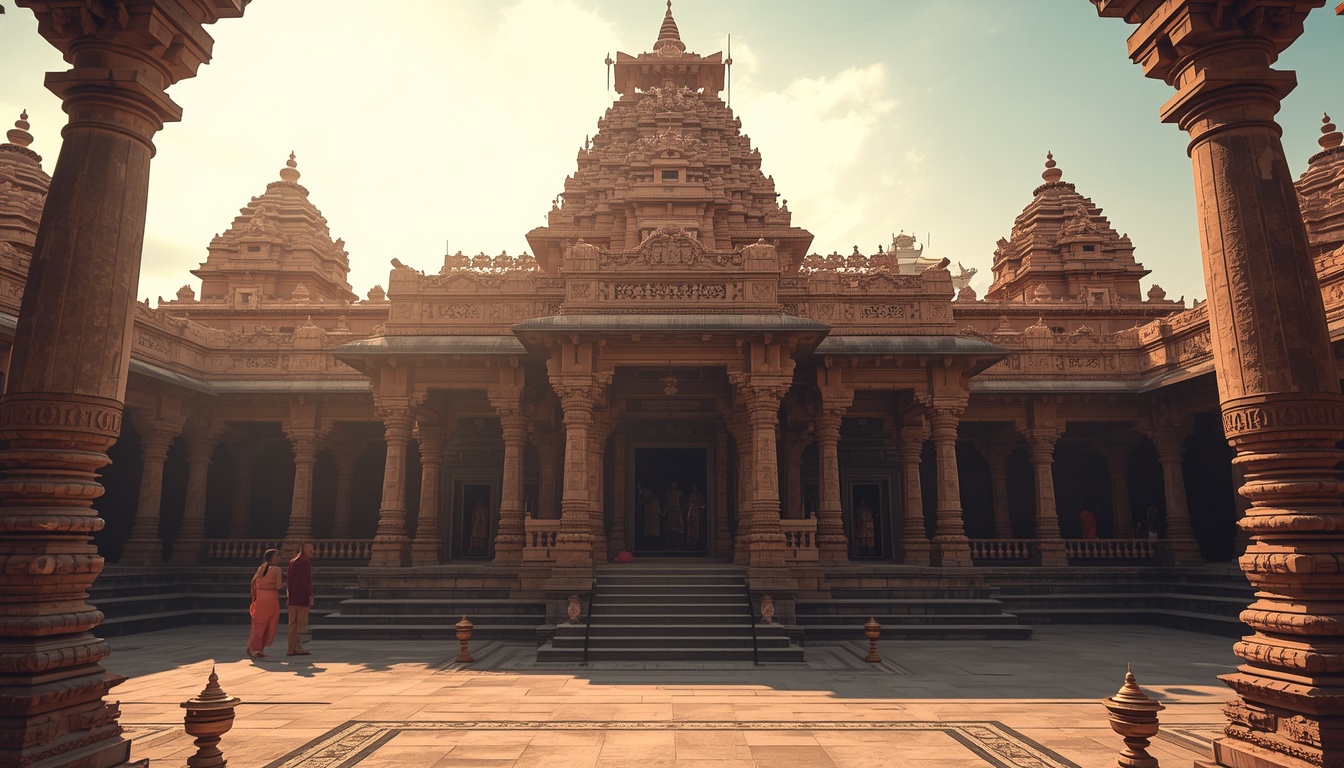
The physical beauty of the temple deserves attention too. Its temple architecture includes detailed stonework, carved pillars and traditional Hindu artistic elements that make the structure feel connected to the surrounding heritage of Maharashtra.
The temple features a prominent shikhara, intricate carvings and sculptures associated with Hindu religious traditions. The stone appears particularly expressive when viewed closely; little carvings can easily make a visitor stop for another look.
Inside, the sacred areas include the Garbhagriha and Sabhamandap, where devotees gather for worship. The temple’s pillars and carvings represent the craftsmanship of traditional temple architecture.
The structure is also associated with representations of deities and sacred figures, including Lord Shiva, Lord Vishnu, Nandi, Yakshas and other religious motifs. The 24 pillars and their carved details add another layer to the visual character of the temple.
Devotees planning a visit commonly search for Grishneshwar Temple timings before beginning their journey. The commonly referenced temple schedule is around 5:00 AM to 9:00 PM, although special occasions and festival arrangements can affect the daily routine.
Morning darshan can be particularly meaningful for devotees who prefer beginning the day with Shiva worship. The atmosphere is generally more devotional and the morning hours naturally suit those wishing to perform an early prayer.
During Mahashivratri, Shravan, Shravan Mondays, weekends and holidays, visitor numbers can increase considerably. A person planning a pilgrimage should therefore allow additional time for queues and temple procedures.
Festival arrangements may also differ from ordinary days, so checking the latest information with the relevant temple authority before travelling is sensible.
For many devotees, darshan is only one part of the experience. Various forms of Shiva Puja and abhishek are traditionally associated with worship at the temple.
A Rudrabhishek Puja is performed with devotional offerings and Vedic chanting dedicated to Lord Shiva. The ritual may include the recitation of Rudra Sukta, Shiva mantras and passages associated with the Yajurveda.
Another popular form is Jalabhishek Puja, where water is offered to the Shivling. The simplicity of water is itself meaningful in Shiva worship; it does not need to look elaborate to feel deeply devotional.
Panchamrit Abhishek Puja traditionally involves Panchamrit, a sacred mixture commonly prepared using milk, curd, honey, ghee and sugar. Depending on the ritual tradition, devotees may also offer holy water or Gangajal.
Each offering has a symbolic association with purity, nourishment and devotion. A copper vessel may be used for offerings, while Vedic mantras accompany the ritual.
Laghurudra Puja or Laghurudrabhishek Puja is another important Shiva worship practice. It involves structured chanting and abhishek dedicated to Lord Shiva.
Devotees sometimes choose such rituals when they want a more detailed spiritual worship experience rather than a brief darshan. The exact procedure, availability and charges can vary, so confirmation before booking is advisable.
The Mahamrityunjaya Mantra is another deeply respected Shiva mantra. Its opening words, “Om Tryambakam Yajamahe,” are widely known among devotees.
A Mahamrityunjaya Jaap may involve repeated chanting, traditionally including 108 repetitions in some devotional practices. Devotees associate the mantra with spiritual strength, peace and divine protection, while its deeper purpose remains rooted in devotion and surrender to Shiva.
People who cannot personally travel to the temple sometimes look for Grishneshwar online puja booking options. Online services may provide arrangements for rituals such as Rudrabhishek, Jalabhishek, Panchamrit Abhishek, Laghurudra Puja or other forms of Shiva worship.
However, this is one area where a little caution is useful. Before making an online payment, devotees should verify whether the service is actually connected with an authorized priest, verified Guruji, temple authority or recognized priest association.
Details such as Puja Date, Gotra, First Name, Phone Number, Puja Name, Puja Mode, Dakshina and booking confirmation may be requested by a service provider.
Do not assume that every website using the name “Grishneshwar” represents the official temple. Checking the identity of the provider, terms and conditions, refund policy and whether puja samagri is included can prevent confusion later.
Traditional temple worship is supported by priests who maintain knowledge of rituals, mantras and customary practices. Information associated with Grishneshwar also refers to Brahmavrind Sangh, priest families and traditional priestly records.
References to Tamrapatra, Chopdi and genealogical records reflect an older system of maintaining priestly and family traditions. Such records are part of the cultural history surrounding pilgrimage in many Indian temple communities.
If you are arranging a Grishneshwar Pandit Ji booking or Grishneshwar Guruji booking, it is better to verify credentials and the exact role of the person providing the service. A genuine spiritual experience should not begin with uncertainty about who is conducting the ritual.
Mahashivratri is among the most important occasions for devotees of Lord Shiva. The temple environment becomes particularly devotional, with increased worship, chanting and pilgrim activity.
The month of Shravan is also highly significant in Shiva worship. Many devotees observe special practices during this period and visit Shiva temples, especially on Mondays.
Other religious occasions associated with the wider tradition include Kartik Purnima, Tripurari Purnima, Dev Deepawali and Ganesh Chaturthi. Offerings such as Bel Patra and flowers are commonly associated with Shiva worship.
The experience during a festival can be unforgettable, but it also requires patience. Crowds can be heavy, and darshan may take considerably longer than on ordinary days.
Near the temple is Shivalaya Tirth, traditionally regarded as a sacred water place. Such sacred tanks and waters have an important role in Indian pilgrimage traditions.
Traditional descriptions associate Shivalaya Tirth with sacred waters connected symbolically with places such as Ujjaini Tirth, Dwarka Tirth, Trimbakeshwar Tirth, Mahalakshmi Tirth, Kashi Tirth, Gaya Tirth, Gangasagar Tirth and Lonar Tirth.
For a pilgrim, these traditions add another layer to the visit. The physical journey may be only a few kilometres, but religious imagination can make the journey feel much larger.
One of the biggest advantages of visiting Grishneshwar Jyotirlinga is its proximity to several remarkable attractions.
The Ellora Caves are especially important. This archaeological site contains extraordinary rock-cut architecture and sculptures representing India’s long artistic and religious history. The Kailasa Temple is perhaps its most famous attraction.
Other places that can be considered around the region include Daulatabad Fort, Bhadra Maruti Temple and Lakshavinayak Ganpati. These sites can turn a short temple visit into a broader Maharashtra pilgrimage itinerary.
For devotees interested in both religion and history, this combination is quite special. One moment you are standing before a sacred Shivling, and shortly afterward you can be looking at an ancient monument carved into rock.
Maharashtra is particularly significant for devotees following the Jyotirlinga pilgrimage tradition. Besides Grishneshwar, the state is associated with other important Shiva pilgrimage sites.
Trimbakeshwar Jyotirlinga near Nashik is another major Jyotirlinga. Bhimashankar Jyotirlinga is also located in Maharashtra and attracts devotees throughout the year.
The wider discussion of Jyotirlingas also includes Nageshwar Jyotirlinga and the traditional identification of Aundha Nagnath with the Jyotirlinga tradition. The exact geographical and textual identifications surrounding some Jyotirlingas have been discussed differently across religious traditions, so travelers may encounter varying descriptions.
What remains common is the central place of Lord Shiva and the importance of these sites within Hindu pilgrimage.
Knowing how to reach Grishneshwar Temple makes planning much easier. The temple is located near Ellora in Maharashtra and is accessible by road from Chhatrapati Sambhajinagar.
Visitors can travel by car, taxi, bus or train, depending on where they begin their journey. Travelers coming from major nearby destinations may plan routes such as Nashik to Grishneshwar, Mumbai to Grishneshwar, Pune to Grishneshwar or Shirdi to Grishneshwar.
Those visiting Ellora can also combine their cave visit with temple darshan because the two attractions are located close to one another.
Exact road distances and travel times can change depending on the selected route, traffic and starting point, so checking a current navigation service shortly before departure is a practical step.
Read more: https://templetimingsdaily.com/vaikuntha-ekadashi/
Many pilgrims build a larger religious circuit instead of visiting only one temple. Grishneshwar to Shirdi is a common route considered by travelers who want to combine Shiva worship with a visit to Sai Baba’s sacred town.
Others plan a circuit involving Nashik, Trimbakeshwar, Grishneshwar and Shirdi. Travelers arriving from Mumbai or Pune can also create multi-day itineraries around the major religious and historical attractions of Maharashtra.
Rather than trying to squeeze everything into one rushed day, giving each important place enough time usually makes the pilgrimage more comfortable. A temple visit should ideally leave some space for silence too, not just photographs and ticking destinations off a list.
A little preparation can make the visit much smoother. Check the latest Grishneshwar Temple timings before leaving, especially if your journey falls during a festival or holiday.
Wear clothing suitable for a religious place and follow the temple’s current instructions regarding entry, photography, offerings and access to the Garbhagriha. Rules can change, particularly during crowded periods.
If you want a specific Rudrabhishek, Jalabhishek or Panchamrit Abhishek, confirm the procedure and availability in advance. Do not rely only on an old social-media post or an unofficial booking page.
Most importantly, approach the temple with patience. Pilgrimage is not always perfectly convenient—and maybe thats part of the lesson. You wait, you pray, you listen, and eventually the moment of darshan arrives.
The significance of Grishneshwar Jyotirlinga comes from several layers coming together: ancient tradition, the mythology of Grushma, the presence of Lord Shiva, temple architecture, devotional rituals and the surrounding heritage of Ellora.
For some devotees, the attraction is the status of the temple among the twelve Jyotirlingas. For others, it is the emotional power of the Grishneshwar legend. Someone else may come because their family has visited for generations.
And then there are visitors who arrive without knowing exactly what they expect. They stand before the Shivling, fold their hands, and perhaps feel a quietness they weren’t searching for.
That quiet moment can become the most memorable part of the whole journey.
Grishneshwar Jyotirlinga is one of the twelve sacred Jyotirlingas of Lord Shiva, located near Ellora in Maharashtra.
Grishneshwar Jyotirlinga in Hindi is written as घृष्णेश्वर ज्योतिर्लिंग and is an important Shiva pilgrimage site in Maharashtra.
Grishneshwar Mahadev is a revered form of Lord Shiva worshipped at the Grishneshwar Jyotirlinga Temple near Ellora.
Grishneshwar Mandir is an ancient Hindu temple dedicated to Lord Shiva and is known as the last of the twelve Jyotirlingas.
घृष्णेश्वर ज्योतिर्लिंग is located near the historic Aurangabad region, now officially known as Chhatrapati Sambhajinagar, Maharashtra.
A visit to Grishneshwar Jyotirlinga can be understood as much more than a temple tour. It is a journey through faith, mythology, architecture, Shiva worship and Maharashtra’s sacred heritage.
From the ancient story of Grushma to the stone carvings of the temple, from Rudrabhishek and Mahamrityunjaya Jaap to the nearby Ellora Caves, every part of the experience offers something different. Some things can be photographed, some can be researched, but the feeling of standing quietly in a sacred place is harder to put into words.
If you are planning your pilgrimage, verify current temple arrangements, timings and ritual procedures before travelling. And when you finally reach the temple, give yourself a few unhurried minutes for darshan. Sometimes the best part of a sacred journey is not the number of places you visit, but the peace you carry back home.