Physical Address
304 North Cardinal St.
Dorchester Center, MA 02124
Physical Address
304 North Cardinal St.
Dorchester Center, MA 02124

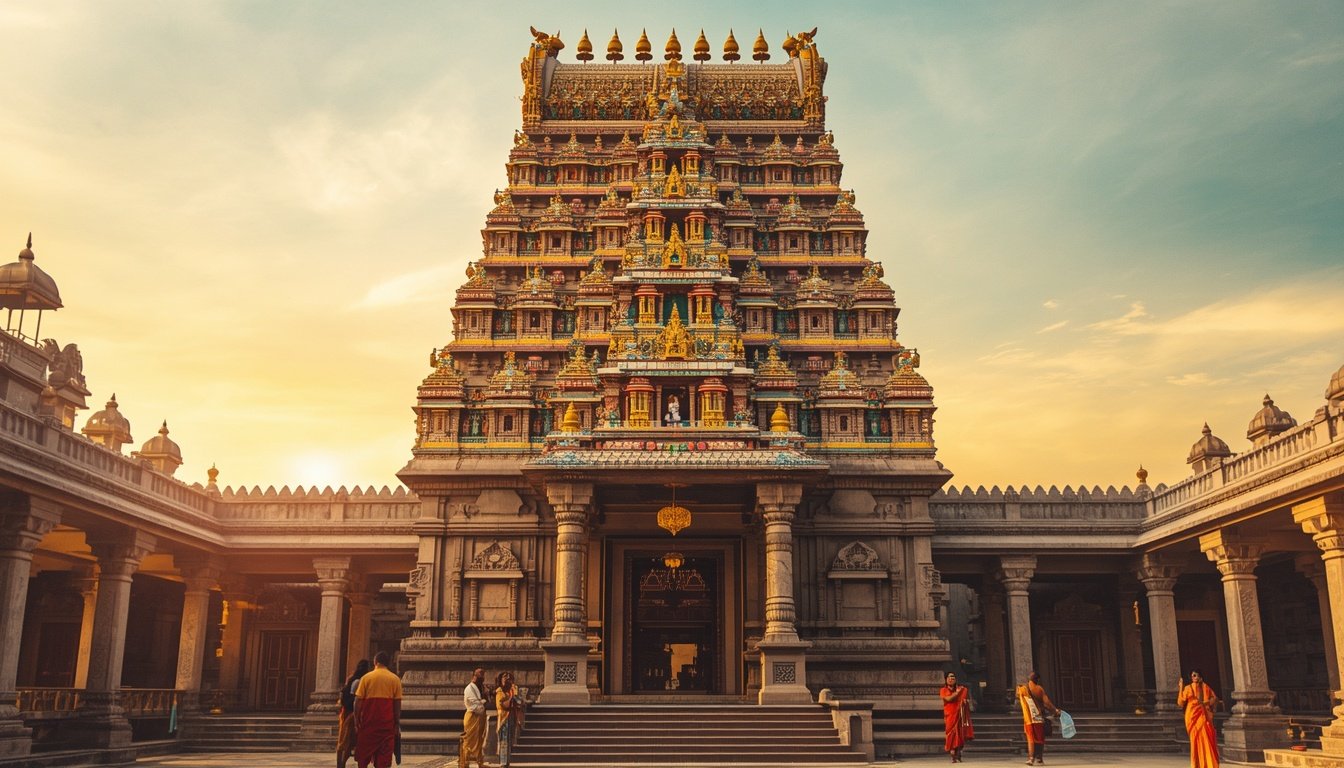
A visit to a temple is sometimes more than a journey measured in kilometres. It is a journey filled with faith, hope, gratitude and the quiet feeling that everything will eventually fall into place. Among the spiritually significant temples of Andhra Pradesh, Kanipakam Temple holds a particularly special place in the hearts of Lord Ganesha devotees.
Situated in the peaceful village of Kanipakam in Chittoor district, Andhra Pradesh, the famous Sri Varasiddhi Vinayaka Swamy Temple attracts thousands of pilgrims throughout the year. People visit this sacred place seeking blessings for new beginnings, family happiness, education, business success and freedom from difficulties. What makes the temple even more fascinating is its legendary self-manifested Vinayaka idol, which is believed to grow in size over time.
For devotees planning a pilgrimage in 2026, knowing the Kanipakam Temple timings 2026, online seva booking procedure, historical background and transportation options can make the visit considerably easier.
Whether you are travelling from Tirupati, Chennai, Bengaluru or another part of India, this guide covers the essential information needed to plan a peaceful and memorable darshan.
The Kanipakam Vinayaka Swamy Temple, officially known as Sri Varasiddhi Vinayaka Swamy Devasthanam, is one of the most respected Lord Ganesha temples in South India.
The temple is located in Kanipakam village, Irala Mandal, approximately 12 km from Chittoor town. Its location makes it a convenient pilgrimage destination for people visiting Tirupati and other famous temples in Andhra Pradesh.
Unlike many temples where the principal deity is installed through traditional consecration, Kanipakam is famous for its Swayambhu idol, meaning a self-manifested divine form.
The idol is situated inside an ancient well, and water can be seen surrounding the deity. This unusual feature is one of the reasons devotees consider the temple spiritually distinctive.
Here are some important details for pilgrims:
| Particulars | Information |
|---|---|
| Temple name | Sri Varasiddhi Vinayaka Swamy Temple |
| Popular name | Kanipakam Vinayaka Temple |
| Main deity | Lord Vinayaka (Ganesha) |
| Location | Kanipakam, Irala Mandal |
| District | Chittoor |
| State | Andhra Pradesh |
| PIN code | 517131 |
| Temple speciality | Swayambhu Vinayaka idol |
| Nearest major city | Chittoor |
| Distance from Tirupati | Approximately 65–75 km by road |
| Nearest railway station | Chittoor |
| Official website | www.kanipakam.com |
The temple is particularly popular during Vinayaka Chaturthi and its annual Brahmotsavam celebrations. Devotees from different states visit to participate in special worship and receive the blessings of Varasiddhi Vinayaka.
One of the most frequently searched questions among pilgrims is about the Kanipakam Temple timings.
The temple follows a daily schedule consisting of morning rituals, abhishekams, special darshan periods and evening worship. Devotees should understand that darshan may be temporarily interrupted during certain rituals.
The published daily schedule includes early morning Suprabhata Seva and Sarva Darshanam periods extending into the evening.
The following schedule is a useful reference for planning your 2026 visit. Ritual timings and public entry arrangements can change on festival days or because of temple administration decisions.
| Activity | Timings |
|---|---|
| Suprabhata Seva | 4:00 AM – 5:00 AM |
| Nijaroopa Darshanam | 5:00 AM – 5:30 AM |
| Panchamrutha Abhishekam | 5:30 AM onwards |
| Maha Harathi | Around 6:00 AM |
| Morning Palabhishekam | 7:30 AM – 8:00 AM |
| Sarva Darshanam | 8:00 AM – 8:30 AM |
| Sarva Darshanam | 10:00 AM – 10:30 AM |
| Afternoon Sarva Darshanam | 12:00 PM – 4:30 PM |
| Evening Palabhishekam | 5:45 PM – 6:15 PM |
| Evening Sarva Darshanam | 6:30 PM – 9:00 PM |
A short temple closure or cleaning period is generally scheduled between 5:00 PM and 5:45 PM.
The schedule above is based on published temple darshan and seva information. Always reconfirm the exact arrangements with the temple office before travelling, especially if you have a booked seva.
If you prefer a relatively peaceful pilgrimage, arriving early in the morning is a sensible choice.
The atmosphere during the early hours feels particularly devotional. The sound of temple bells, the fragrance of flowers and the chanting of prayers create a beautiful beginning to the day.
Some useful suggestions:
Weekends, public holidays, Vinayaka Chaturthi and Brahmotsavam days can attract considerably larger crowds.
My suggestion is to avoid reaching just before a major ritual if your schedule is tight. Allow some extra time, because temple visits rarely work according to our perfectly planned travel clocks!
The Kanipakam Temple history is closely connected with an interesting local legend involving three brothers.
According to the traditional story, three brothers lived in the area many centuries ago. They had physical disabilities: one was unable to speak, another could not hear and the third was blind.
Despite their difficulties, they worked together to cultivate a small piece of agricultural land. They depended on a well to obtain water for irrigation.
One day, while drawing water, they discovered that the well had dried up. One of the brothers climbed down and began digging to find water.
During the process, his digging tool struck a hard object beneath the ground.
To their surprise, blood began appearing from the object, and the water inside the well reportedly turned red. The brothers were astonished by what happened.
According to the legend, all three brothers were miraculously cured of their physical disabilities after this incident.
When villagers heard about the extraordinary event, they gathered around the well and discovered an idol of Lord Vinayaka.
They attempted to dig deeper and reveal the complete form of the deity, but the base of the idol could not be found.
The villagers recognised the discovery as divine and began worshipping the deity as a Swayambhu Vinayaka.
Even today, the idol remains in the water-filled well, making this temple different from many other Ganesha shrines.
One of the most fascinating beliefs associated with the temple is that the idol of Lord Vinayaka gradually increases in size.
According to temple tradition, devotees have observed changes in the visible size of the deity over the years.
A silver kavacham, or protective covering, associated with the deity is traditionally mentioned in connection with this belief. It is said that the covering eventually became unsuitable as the idol increased in size.
For devotees, this is a powerful expression of divine presence.
It is important to understand that the growing-idol account belongs to religious tradition and faith rather than a scientifically established measurement. Still, the belief remains central to the identity of Kanipakam.
There is also an interesting traditional explanation for the name of the village.
The place was reportedly known as Kaniparakam. One interpretation connects the word with agricultural land and the flow of water through irrigation channels.
The story is associated with villagers offering coconuts after discovering the deity. The coconut water flowed across agricultural land, which became part of the traditional explanation for the name Kanipakam.
The village and temple eventually became widely known by their present name.
The temple is not only associated with mythology but also has a historical connection with regional dynasties.
Historical accounts describe early development during the Chola period, with later contributions associated with Vijayanagara rulers.
Over time, the shrine developed into an important religious centre in Andhra Pradesh.
Today, the Devasthanam manages the temple and its religious activities, including daily sevas, festival celebrations, darshan arrangements and pilgrim facilities.
Not every devotee can travel to Kanipakam whenever they wish. Some live in distant cities, while others may have work or family commitments that prevent them from visiting the temple.
For such devotees, Kanipakam virtual seva booking provides an opportunity to participate in selected religious services remotely.
Virtual or Paroksha Seva allows devotees to arrange eligible worship through the temple’s online booking facilities without necessarily being physically present.
The availability of particular sevas, dates and payment options depends on the temple administration.
For online bookings, begin with the temple’s official website:
The Devasthanam also provides access to online seva booking through the Andhra Pradesh Endowments booking system.
Official portal:
Always verify that you are using the authorised temple or government booking service. Avoid making payments to unknown individuals or unofficial agents.
The general procedure for booking an eligible online seva is straightforward.
Step 1: Visit the Official Website
Open the Kanipakam Devasthanam website or the AP Endowments portal using your mobile phone or computer.
Step 2: Select the Temple
Locate Sri Varasiddhi Vinayaka Swamy Vari Devasthanam, Kanipakam, from the available temple list.
Step 3: Choose the Seva
Look for the available online seva or Paroksha Seva options. Check the service description carefully before selecting it.
Step 4: Enter Devotee Details
Provide the requested information, such as the devotee’s name, contact number, gotra and other details required by the booking system.
Make sure spellings are correct, especially when booking on behalf of parents or other family members.
Step 5: Select the Date
Choose an available date and confirm the seva details. Festival dates may have limited availability, so booking earlier is advisable.
Step 6: Complete Online Payment
Pay the displayed amount using the payment methods supported by the official portal.
Step 7: Save the Confirmation
After successful payment, download or save the booking receipt. Keep the transaction details for future reference.
If the portal offers a remote participation facility for your selected seva, follow the instructions provided in the confirmation.
A small mistake while entering booking details can create unnecessary trouble later, so take a minute to check everything before submitting.
The temple offers different forms of worship throughout the day. These rituals allow devotees to participate according to their personal beliefs, convenience and spiritual interests.
Some of the important Kanipakam Temple sevas include the following.
Suprabhata Seva is performed in the early morning to awaken the deity.
It is among the first daily rituals and is particularly meaningful for devotees who wish to experience the temple during its peaceful morning hours.
The traditional timing begins around 4:00 AM.
Abhishekam is an important form of Hindu worship involving the ceremonial bathing of the deity.
Panchamrutha Abhishekam is associated with the use of five sacred ingredients. It represents devotion, purification and gratitude.
Devotees interested in this seva should check the current participation rules with the temple administration.
Palabhishekam involves the ceremonial offering of milk.
The temple’s published schedule lists morning and evening sessions. Participation rules, including the number of permitted devotees and required offerings, should be confirmed before booking.
This worship is associated with Lord Ganapathi and is performed by devotees seeking relief from difficulties.
Many people undertake the vratham with prayers for family wellbeing, career progress and the successful completion of important responsibilities.
Ganapathi Homam is a traditional fire ritual performed with prayers to Lord Ganesha.
Devotees often associate this worship with removing obstacles before starting a new venture, entering a new home or beginning an important phase of life.
Kalyanotsavam is a ceremonial divine wedding ritual celebrated according to temple traditions.
It is an important form of worship for devotees who wish to participate in special religious ceremonies.
Depending on the current temple schedule, devotees may also enquire about:
Important: Seva charges, ticket availability, reporting times and participation limits can change. The official Devasthanam website or temple office should be treated as the final source for current prices.
Many first-time visitors want to know whether they need to purchase a ticket for darshan.
The temple provides general darshan arrangements along with paid or special-entry options, subject to availability.
Sarva Darshanam is the general darshan facility for devotees.
Special-entry or faster darshan tickets may also be available through the authorised booking portal or temple counters.
The exact ticket categories and prices should be checked for your intended visit date. Do not assume that prices mentioned on older travel websites are still applicable in 2026.
A few practical points will help:
The best approach is to plan your darshan first and arrange other sightseeing activities around it.
The journey from Tirupati to Kanipakam is one of the most common pilgrimage routes in the region.
Many devotees first visit Tirumala Venkateswara Temple and Sri Padmavathi Temple before travelling to Kanipakam for the blessings of Lord Vinayaka.
The approximate road distance between Tirupati and Kanipakam is around 65–75 km, depending on the route and starting point.
The journey generally takes around 1.5 to 2 hours by road, although traffic and road conditions can affect the travel time.
Travelling by bus is a practical option for devotees who do not have a private vehicle.
APSRTC operates services connecting Tirupati and Kanipakam. Depending on the service, buses may travel directly or through Chittoor.
The journey generally takes around 1.5 to 2 hours.
Useful suggestions for bus passengers:
Bus schedules may change, so check the latest information through APSRTC before travelling.
A private car or taxi is one of the most convenient choices, especially for families and elderly pilgrims.
The usual road journey is through the Chittoor region.
The general route is:
Tirupati → Chandragiri region → Chittoor → Kanipakam
The journey usually takes approximately 1.5 to 2 hours, depending on traffic and the selected road.
Benefits of travelling by taxi include:
Taxi charges depend on vehicle type, travel season, waiting time and whether you book a one-way or round trip.
It is better to confirm the complete fare with the operator before starting the journey.
There is no railway station directly at the Kanipakam temple.
The nearest convenient railway station is Chittoor, approximately 12 km away.
Devotees travelling from Tirupati can check available trains between Tirupati and Chittoor.
After reaching Chittoor railway station, local buses, taxis and other road transport options can be used to reach Kanipakam.
This option may be useful for people who prefer rail travel, but it requires additional road transportation.
From Chennai: Travellers can reach Chittoor by road or train and continue to Kanipakam.
From Bengaluru: Road travel through the Andhra Pradesh border region and Chittoor is a practical option. Check the selected route and current traffic conditions.
From Hyderabad: Visitors can travel by train or flight towards the Tirupati region and continue by road, depending on their itinerary.
The nearest major travel connections and suitable transport options should always be checked before departure.
Kanipakam can be visited throughout the year, but the experience may vary according to weather, festivals and crowd levels.
The months from October to February are generally comfortable for travelling around the Chittoor region.
During summer, temperatures can become uncomfortable, particularly for devotees standing in outdoor queues.
Vinayaka Chaturthi is among the most important celebrations associated with Lord Ganesha.
The temple receives a large number of devotees during this festival. Special worship, decorations and religious activities create a lively atmosphere.
However, visitors should expect longer queues and possible changes to ordinary darshan arrangements.
The annual Brahmotsavams are another major attraction.
The celebrations traditionally take place during the Bhadrapada month, with several religious ceremonies and processions.
The temple’s annual festivities include different vahanam processions and other traditional activities.
If you are planning to attend these celebrations in 2026, check the officially announced festival calendar rather than relying on estimated dates.
For devotees who want a relatively relaxed visit, ordinary weekdays are generally worth considering.
Weekends, school holidays and festival periods often attract larger crowds.
If you have elderly family members or small children travelling with you, choosing a less busy day may make the experience more comfortable.
If you have some extra time, you can include a few nearby religious destinations in your pilgrimage itinerary.
These places make it possible to explore more of the region without travelling too far from Kanipakam.
Aragonda is known for its religious significance and association with Sri Mallikarjuna Swamy.
It can be considered by devotees interested in exploring temples around the Chittoor region.
Located near Tirupati, this famous temple is dedicated to Goddess Padmavathi, the divine consort of Lord Venkateswara.
Many pilgrims include it in their Tirupati pilgrimage itinerary.
This is another important Vaishnavite temple in Tirupati.
Its traditional architecture and religious importance make it a worthwhile stop for devotees exploring the city’s sacred places.
Located in Srikalahasti, this famous Shiva temple is associated with the Vayu Lingam and Rahu-Ketu worship.
It is a separate road journey from Kanipakam, so plan sufficient time if you intend to include it.
For visitors travelling from outside Andhra Pradesh, combining Kanipakam with Tirumala can make for a meaningful pilgrimage.
However, Tirumala darshan requires separate planning and booking.
Devotees visiting Kanipakam for a short pilgrimage can choose from accommodation options in Kanipakam and nearby Chittoor.
The availability of rooms may vary depending on the festival calendar and number of visitors.
Some pilgrims prefer staying near the temple so that they can attend early morning rituals without travelling long distances.
Others choose Tirupati because it offers a wider range of accommodation and transport options.
Before booking a room, consider the following:
Check the Devasthanam’s official accommodation booking facility for available temple-managed rooms.
For private accommodation, use established booking platforms and verify the property’s location before making payment.
A little preparation can make a big difference, particularly if you are travelling with family.
Here are some useful things to remember before visiting the Kanipakam Vinayaka Swamy Temple.
If you are planning a special abhishekam or another seva, confirm the required offerings and reporting location in advance.
Most importantly, do not let a crowded queue spoil your mood. A pilgrimage is meant to be a peaceful experience, and a little patience goes a long way.
The temple’s published daily schedule begins with Suprabhata Seva at around 4:00 AM. General darshan periods extend into the evening, with the published evening Sarva Darshanam window running from 6:30 PM to 9:00 PM. Confirm the same-day schedule before visiting.
The approximate road distance is 65–75 km, depending on the route and starting point. The journey generally takes around 1.5 to 2 hours by car.
Visit the official Kanipakam Devasthanam website or the AP Endowments portal. Select the available virtual or Paroksha Seva, provide the required details, choose an available date and complete the payment.
The temple’s official website is https://www.kanipakam.com/. You can also check the AP Endowments portal for authorised booking services.
Sarva Darshanam is the general darshan facility. Paid special-entry and seva options may also be available. Confirm the current arrangements and charges with the temple administration.
The temple is famous for its Swayambhu idol of Lord Vinayaka, which is situated inside a water-filled well. According to local religious tradition, the idol is believed to grow in size.
Read ARticul: https://templetimingsdaily.com/300-darshan-ticket-booking/
Chittoor railway station is the nearest convenient railway station, approximately 12 km from the temple.
Yes. APSRTC operates bus services connecting Tirupati and Kanipakam. Travellers can also use buses to Chittoor and continue by local transport.
October to February is generally comfortable for travelling because the weather is comparatively pleasant. Festival periods are spiritually vibrant but can be crowded.
Some of the important sevas include Suprabhata Seva, Panchamrutha Abhishekam, Palabhishekam, Sankatahara Ganapati Vratham and Ganapathi Homam. Availability and timings should be confirmed with the temple.
Yes. Devotees can enquire about temple accommodation and private hotels in Kanipakam and Chittoor. Tirupati is another option for those who prefer more accommodation choices.
Yes, it is possible to visit both destinations on the same day if you plan your transport and darshan timings carefully. However, festival crowds and Tirumala booking requirements may affect your schedule.
A visit to Kanipakam Temple is a beautiful combination of history, devotion and spiritual discovery.
The legendary story of the three brothers, the sacred well containing the Swayambhu idol and the traditional worship of Varasiddhi Vinayaka make this shrine an important destination for devotees of Lord Ganesha.
For anyone planning a pilgrimage in 2026, understanding the Kanipakam Temple timings, arranging Kanipakam virtual seva booking in advance and choosing the right transportation from Tirupati can make the entire journey much smoother.
Whether you travel with your parents, children, friends or alone, take a little time to experience the temple without rushing through every moment.
May Sri Varasiddhi Vinayaka bless your family with good health, happiness, prosperity and the strength to overcome life’s obstacles. May every new beginning bring hope, and may every journey end with a heart full of gratitude.
Ganapathi Bappa Morya! Jai Sri Varasiddhi Vinayaka!
If you have visited Kanipakam Temple or are planning your first darshan in 2026, share your experiences, travel suggestions and favourite memories in the comments. Your information may help another devotee plan a wonderful pilgrimage.